Do you wonder how are jeans made? Does it only need stitching? Definitely No. Jeans manufacturing requires at least five major processes, pattern making, cutting, sewing,washing and finishing. Each process involved various small procedures, and every step is important. When you buy a pair of jean and wear it, you have no idea about what they has been through. Let me tell you the story.
What is jeans manufacturing?
Denim manufacturing is the process of making raw materials to a finished products. Start from the denim fabric selecting then preparing the raw materials, master will make the pattern base on the design, workers cut the fabric into shape and stitch the cutting pieces through sewing, After that, the jeans will be sent to the washing mill, undergoing washing to have beautiful color and fashionable style. Finally adding button or other decoration, a wearable directly product is finished.
– Material Preparation
Find and select the appropriate denim fabric is a must. Different denim will result different color even in same washing process. In order to achieve the color wanted, you have choose the right one according experience. Then prepare other trims needed like thread, zipper, label, pocketing etc.
– Patterning and Cutting
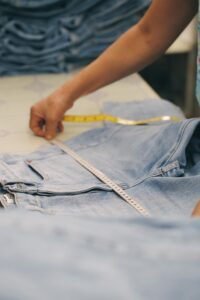
Making patter is also important in manufacture jeans because it affect the jean fit and directly influences the wearing experience. For a good custom denim manufacturer, must have own experienced pattern master who will help a lot in fitting especially for custom jean. Moreover, an efficient pattern layout can less the waste of the fabric. That’s all the manufacturer wanted. After patterning done, worker will cut the rolling fabric to pieces for sewing.
– Sewing
Workers use sewing machines to stitch all the cut pieces together with reinforced thread. Different part of stitching will require different sewing machines, to make the production more efficiency. An experienced sewer’ craftsmanship can make a quality jean.
– Washing
After finish sewing, the jeans undergo washing treatments. Washing can soften the fabric and create different fashion style, to make the jeans have unique characterize. Through a series of washing techniques such as enzyme wash, stone washing, laser denim washing, ozone or other chemical treatment, to let the jeans have own natural faded blue.
– Finishing and Packing
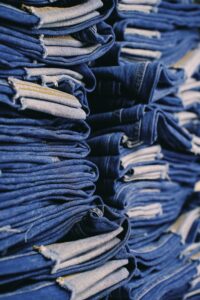
Before on the shelves, every pairs of jeans undergoes final quality inspection, inspector check the key measurement the specification, stitching, joining seam etc, but also the evenness of washing color and any stains and defects, to sure it is sable product on market.
Key Differences: Chino Vs Jeans
Característica
Jeans
Chinos
Fabric
Denim
Twill
Característica
Casual, Stylish
Formal, relaxed wear
Durabilidad
High durable
Medium Durable
Color Range
Indigo
Variety
Tips: A pair of well-fitted jeans handles most casual scenarios, while a tailored pair of chinos is a reliable choice for business-casual settings. Choose based on the specific occasion and desired impression.
Pros & Cons Comparison
Jeans
Chinos
Ventajas
Classic
Wide color Range
High durability
Comfort wearing feel
Easy Maintenance
Easy Care
Culture Icon
Formal
Cons
Hard and heavy
Wrinkles Easily
Color Bleeding
Less Iconic
Environment Impact
Less Durable
Conclusión
Jeans are a complex product resulting from detailed manufacturing processes that transform raw denim into stylish, durable clothing. Choose jeans for a classic, rugged look and maximum durability.
1. ¿Cuánto tiempo se necesita para hacer una muestra?
En Reego, el desarrollo de una muestra no consiste únicamente en coser. Seleccionamos el tejido más adecuado, evaluamos su encogimiento y probamos el color del lavado para asegurarnos de que la muestra cumpla los requisitos. También realizamos una inspección final de todos los detalles antes del envío para que reciba una muestra correctamente terminada.
2.What is the Minimum Order Quantity (MOQ)?
Moreover,we always strive to lower the waste through the whole production process , as part of our commitment to sustainable production. To support the new brand, we offer flexible trial order solution to meet their small batch needs.
3. ¿Qué es lo más importante al comenzar una producción de denim?
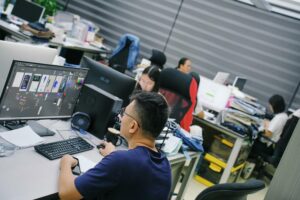
En Reego, la comunicación es esencial. Antes de comenzar, nuestro equipo de diseño y patronaje revisa todos los detalles técnicos y analiza los puntos difíciles. Esto ayuda a reducir posibles errores y garantiza que el calce, el color y el estilo coincidan con lo solicitado y que el jean pueda fabricarse de manera viable.
China, conocida como la fábrica del mundo, produce más de la mitad de los jeans del mercado global. Su producción eficiente, buena calidad y relación costo-beneficio...
Para ofrecer las mejores experiencias, utilizamos tecnologías como las cookies para almacenar y/o acceder a información del dispositivo. El consentimiento para estas tecnologías nos permitirá procesar datos como el comportamiento de navegación o identificadores únicos en este sitio. No consentir o retirar el consentimiento puede afectar negativamente determinadas características y funciones.
Funcional
Siempre activo
El almacenamiento o acceso técnico es estrictamente necesario para el propósito legítimo de permitir el uso de un servicio específico solicitado expresamente por el suscriptor o usuario, o con el único propósito de efectuar la transmisión de una comunicación a través de una red de comunicaciones electrónicas.
Preferencias
El almacenamiento o acceso técnico es necesario para el propósito legítimo de almacenar preferencias no solicitadas por el suscriptor o usuario.
Estadísticas
El almacenamiento o acceso técnico se utiliza exclusivamente con fines estadísticos.El almacenamiento o acceso técnico se utiliza exclusivamente con fines estadísticos anónimos. Sin una citación judicial, el cumplimiento voluntario por parte de tu proveedor de servicios de Internet o registros adicionales de un tercero, la información almacenada o recuperada únicamente con este propósito normalmente no puede utilizarse para identificarte.
Marketing
El almacenamiento o acceso técnico es necesario para crear perfiles de usuario con el fin de enviar publicidad, o para realizar el seguimiento del usuario en un sitio web o en varios sitios web con fines de marketing similares.



 por Yolanda
Comments are closed