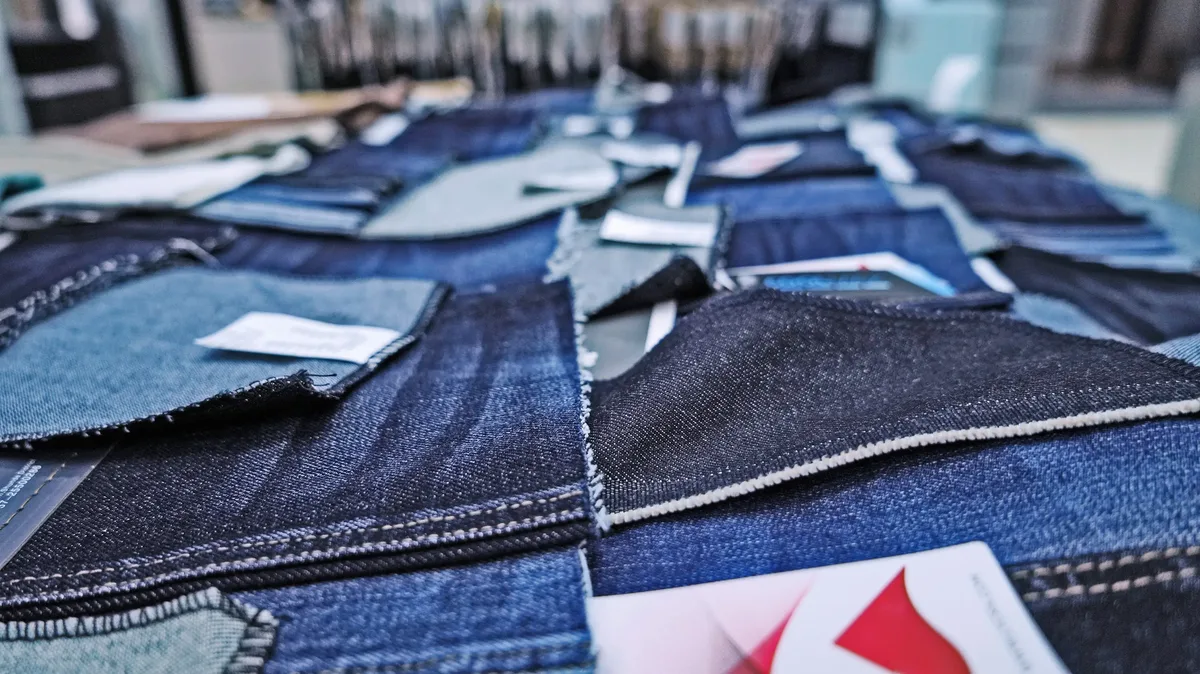
Muestras de tejido denim que abarcan desde opciones ligeras hasta pesadas
Compare directamente tejidos denim ligeros, de gramaje medio y pesados. Este análisis paralelo abarca diferencias de costos, mercados objetivo, idoneidad estacional y requisitos de producción, para que pueda elegir la opción adecuada para su marca. Entonces, ¿qué conviene más: denim ligero o pesado? ¿Cuál resulta más competitivo para su marca? Comprender a fondo cómo influye el gramaje en la producción es esencial para sus decisiones de abastecimiento y para optimizar su próxima colección de temporada.
Gramaje del tejido denim: lo que debe saber
El denim se mide en onzas por yarda cuadrada, a diferencia de otras cadenas de suministro textil que utilizan gramos. Por lo general, cuanto mayor es el número de onzas, más grueso, áspero y pesado es el tejido. (¿Cómo elegir el gramaje adecuado del tejido denim?)
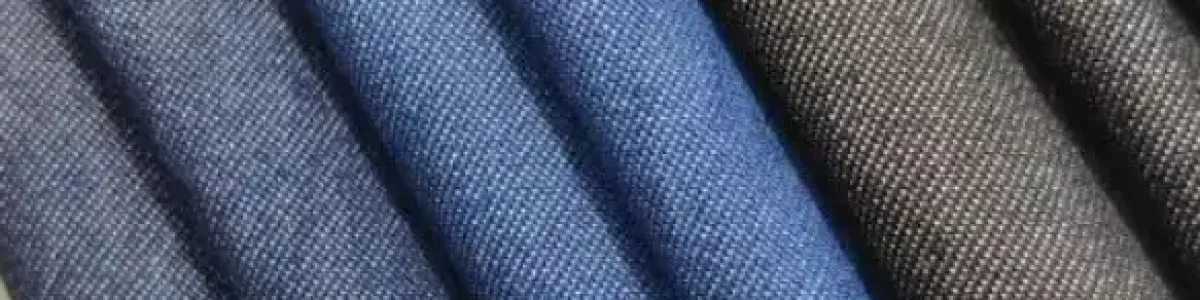
Detalle de primer plano de la textura del tejido denim
Denim ligero: 4-9 oz
Líneas de producto: camisas, vestidos, blusas, etc.
Denim de gramaje medio: 9-14 oz (el más popular)
Líneas de producto: jeans clásicos y chaquetas de denim
Denim pesado: más de 14 oz
Líneas de producto: ropa de trabajo y prendas para motociclistas.
Los distintos gramajes de denim requieren diferentes grosores de aguja, espesores de hilo y equipos de costura adecuados. La mayoría de los fabricantes de denim puede trabajar con toda la gama de gramajes. El denim ligero necesita hilo más fino y agujas de menor tamaño, ya que una aguja grande puede dañar fácilmente el tejido.
El denim de mayor gramaje soporta lavados intensos, pero también requiere más agua y energía. Además, produce prendas finales más pesadas, por lo que el costo del transporte aéreo es mucho mayor para la misma cantidad de unidades.
Denim ligero
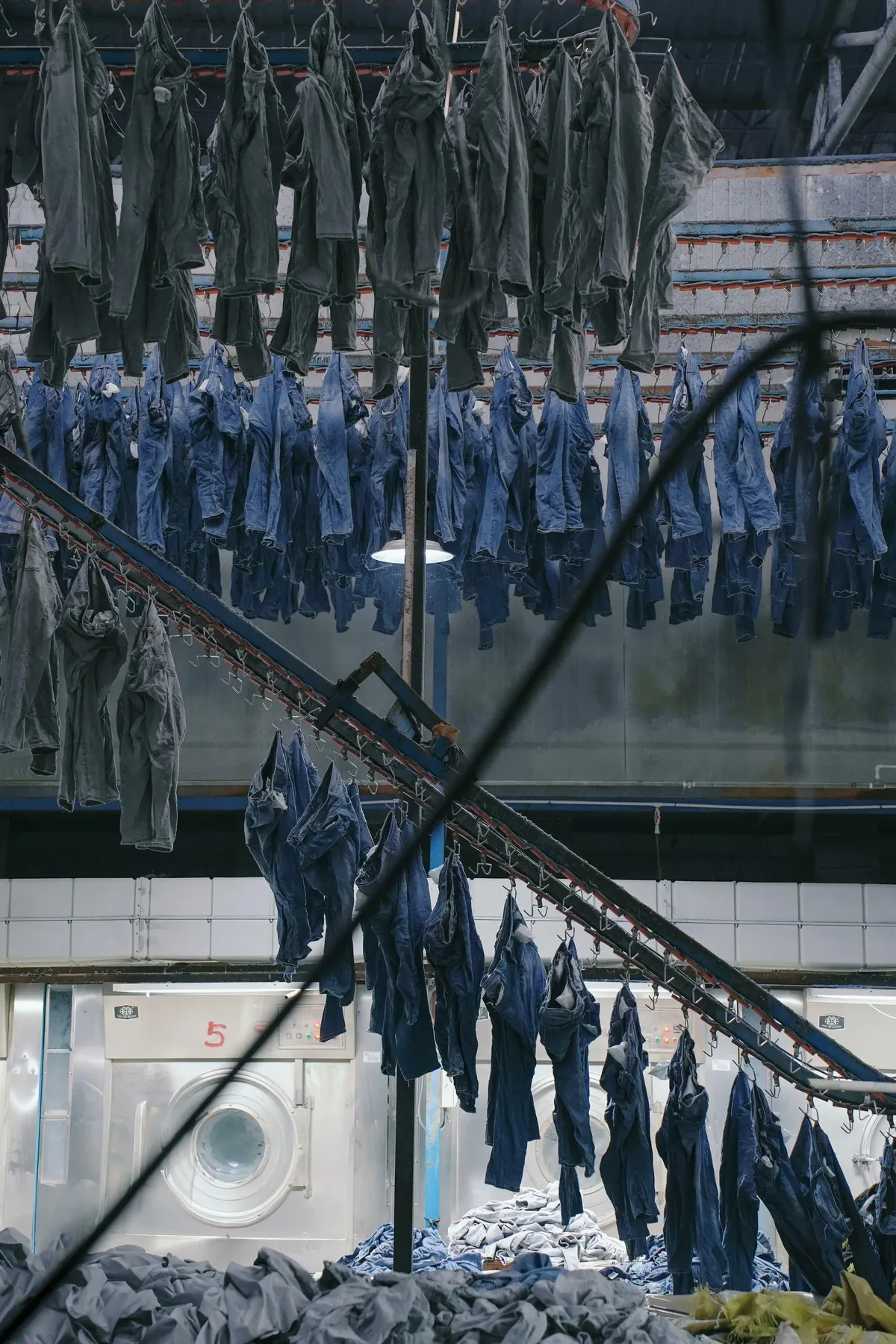
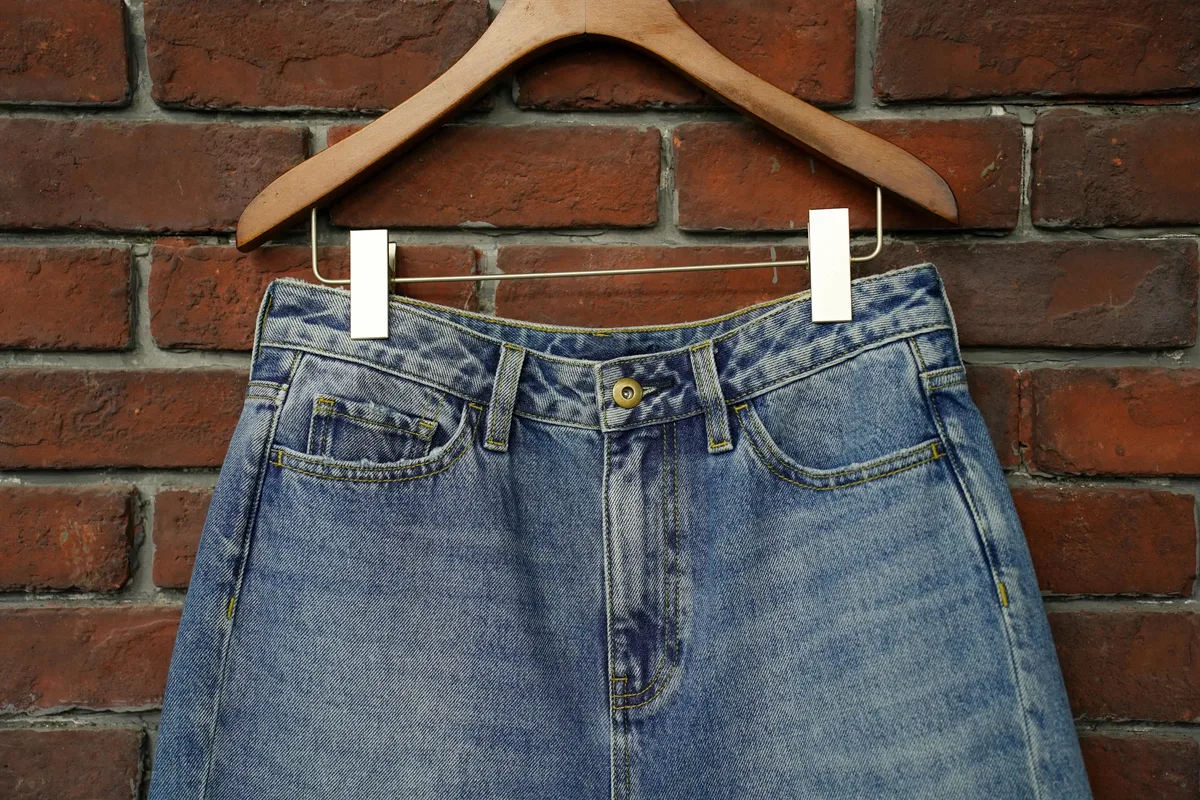
Jeans de denim ligero después de un proceso de lavado suave
Los productos de denim ligero suelen ser más suaves, lo que ayuda a las marcas a crear colecciones de primavera/verano, como camisas, vestidos y bermudas. Sus lavados suelen ser menos intensos, por lo que el plazo de producción puede ser más corto y los costos logísticos y de transporte, más bajos.
Denim pesado
Denim pesado con acabado desgastado, diseñado para durar
El denim pesado suele representar la herencia de la ropa de trabajo y las subculturas del denim. Su precio no es el más competitivo, pero expresa el compromiso de la marca con la artesanía y las raíces del denim. Sin embargo, el público objetivo puede ser de nicho y la rotación de inventario más lenta. Además, los gramajes muy altos requieren agujas gruesas y máquinas de costura de mayor potencia, por lo que no todas las fábricas están equipadas para trabajarlos.
Denim de gramaje medio
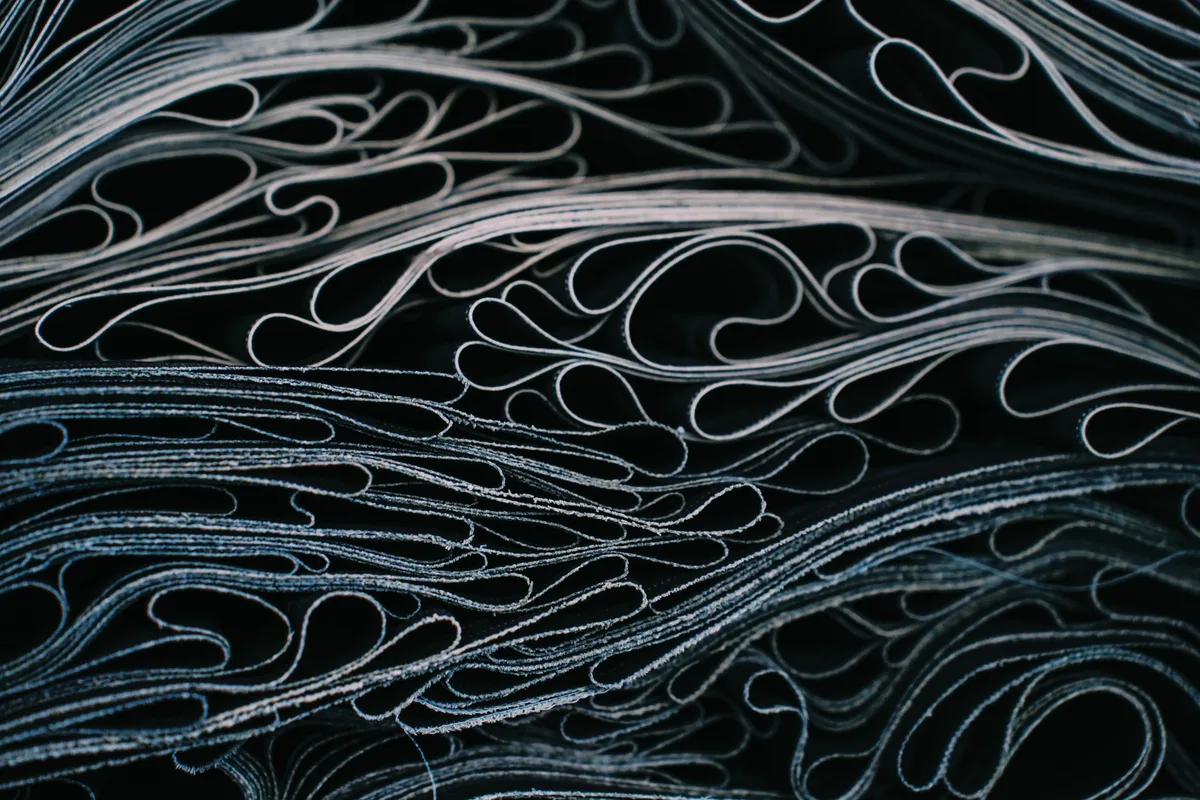
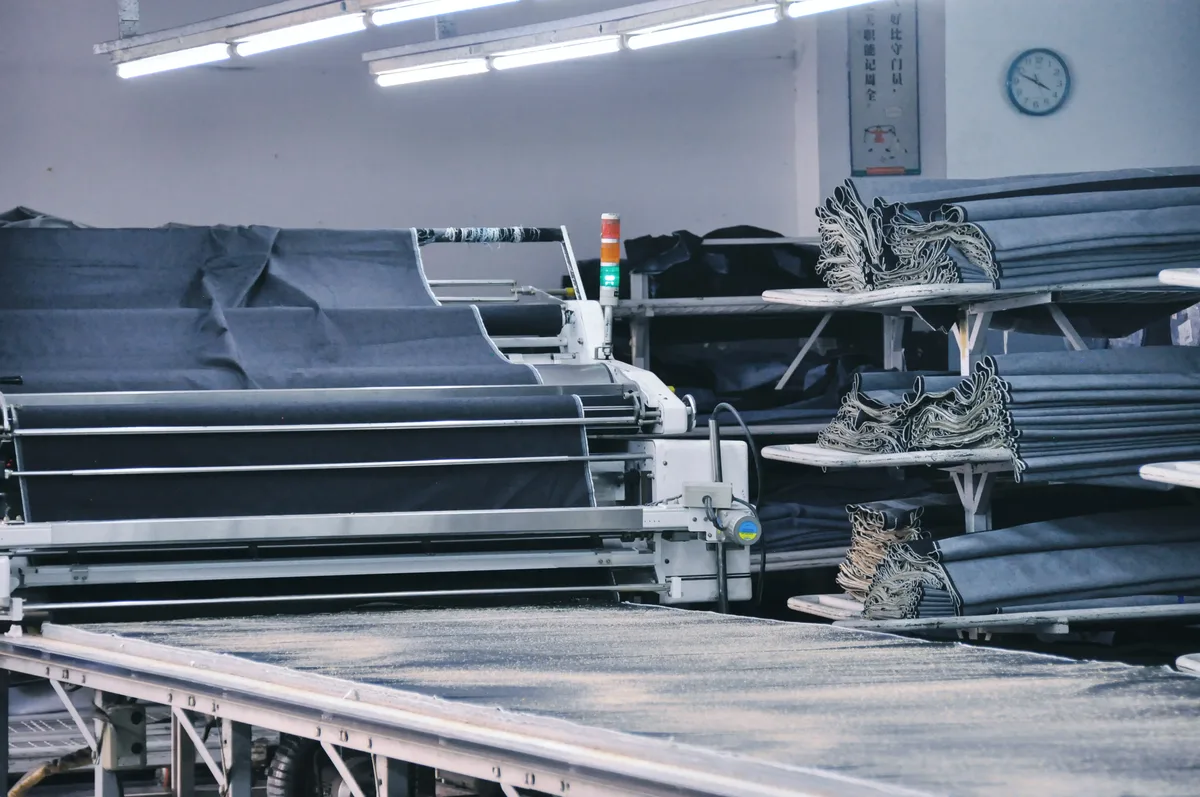
Máquina de corte trabajando con capas de denim en producción
El denim de gramaje medio es el más popular y domina el mercado. Funciona durante todo el año y suele ser la opción con mayor viabilidad comercial. Los gramajes de 12-13 oz conservan las características clásicas del denim, mientras que opciones cercanas a 8 oz ofrecen mayor suavidad. Es una elección adecuada para numerosas categorías y marcas de moda rápida gracias a su buena rotación de inventario. Además, la mayoría de las fábricas puede producir este rango con máxima eficiencia y sin grandes cambios de equipo.
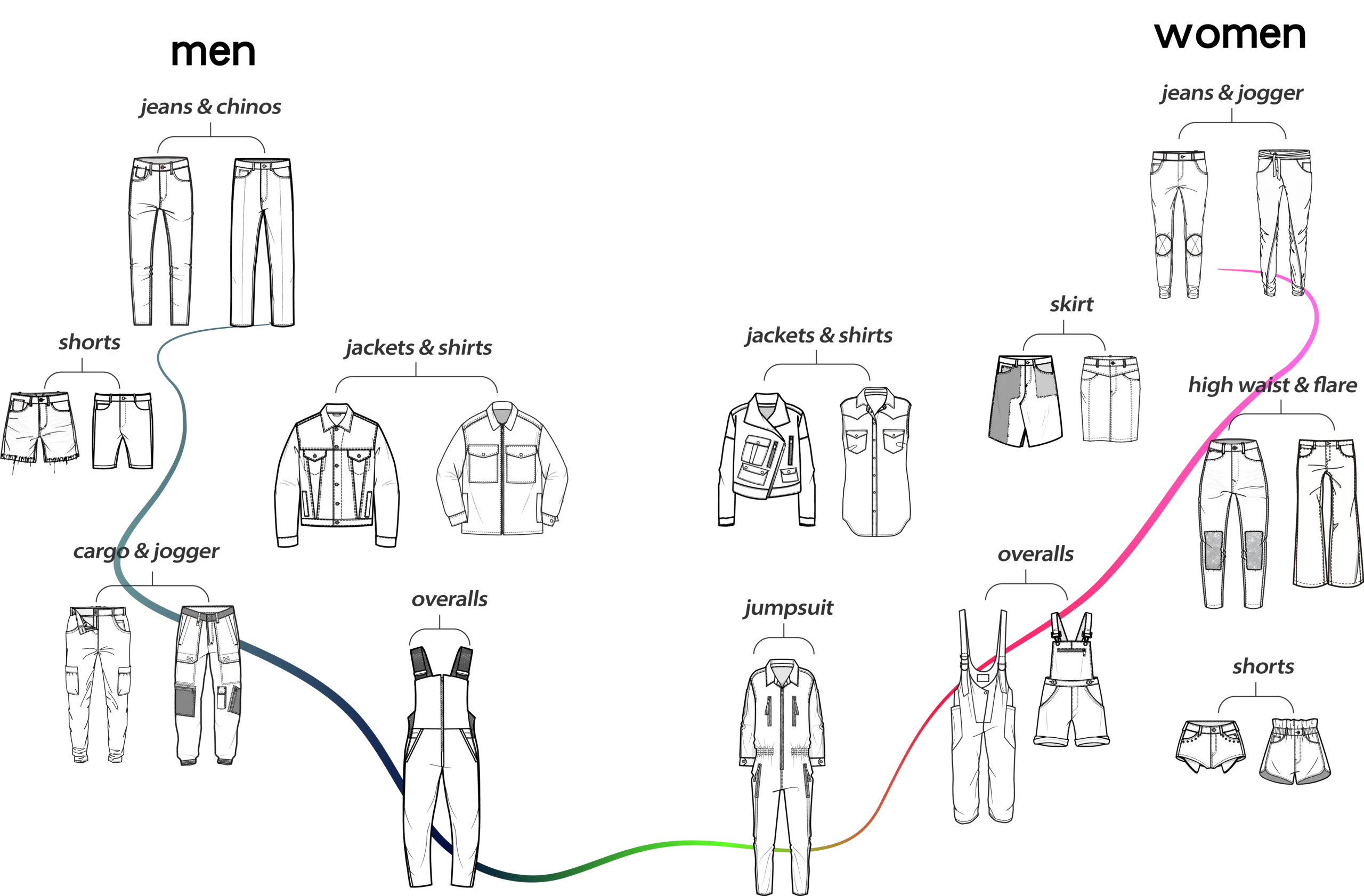
Gama de categorías de producto, desde denim ligero hasta pesado
Conclusión
No existe un único tejido denim que sea el mejor; existe el gramaje y la elección más adecuados para el margen de su marca y su colección de temporada.
Debe definir quién es su cliente objetivo principal, cuál es su temporada de ventas más importante y qué prioridad tiene: la rotación de inventario o el compromiso con la artesanía. Si está comenzando y aún no domina las especificaciones del denim, el equipo profesional de Reego puede ayudarle a desarrollar un estilo competitivo y atractivo.
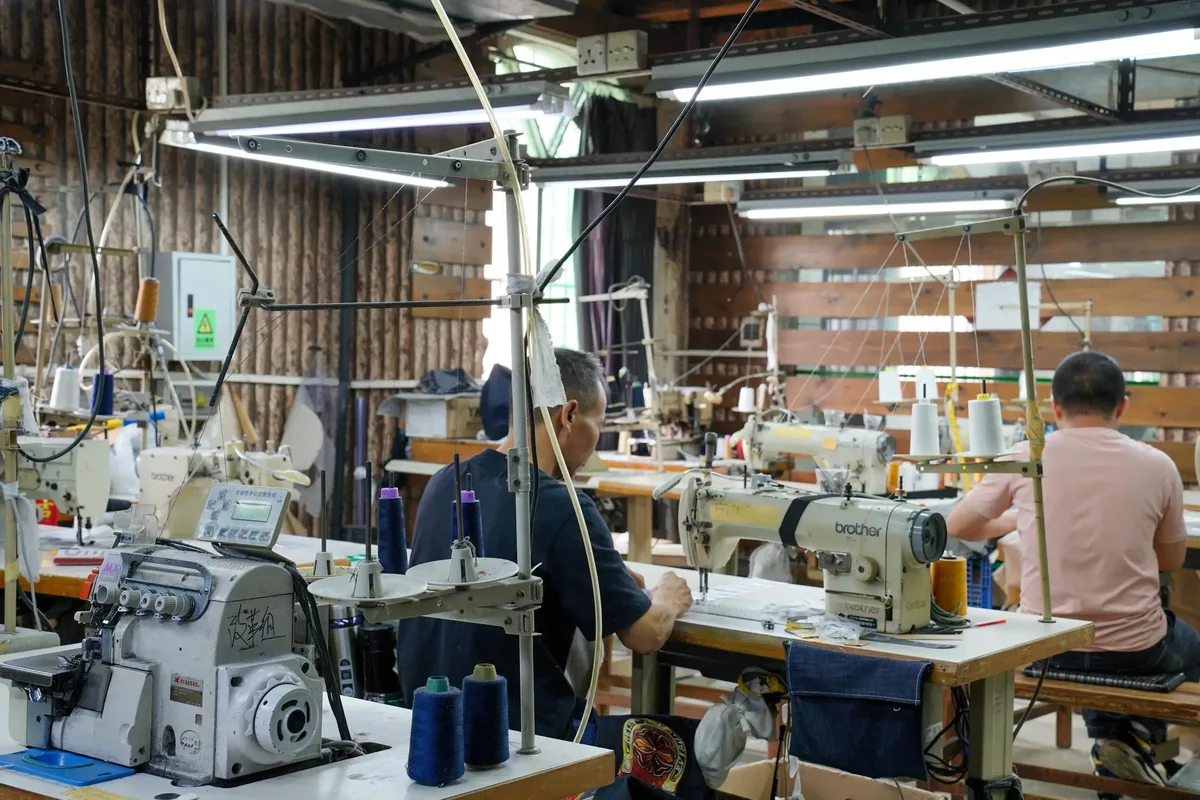
Línea de producción preparada para su próxima colección de denim
Denim ligero
Suave, transpirable y rentable. Ideal para colecciones de primavera/verano, moda rápida y marcas dirigidas a mercados amplios que requieren una rotación ágil de inventario.
Denim pesado
Robusto, duradero y premium. Ideal para marcas de herencia, ropa de trabajo, prendas para motociclistas y marcas que buscan consolidar una reputación basada en la artesanía y la calidad.
Tablas comparativas de gramajes de denim
Consulte la siguiente tabla para ver una comparación detallada:
Comparación rápida de gramajes de denim
Característica
Ligero (4-9 oz)
Gramaje medio (9-14 oz)
Pesado (14 oz+)
Productos recomendados
Camisas, vestidos y blusas
Jeans clásicos y chaquetas
Ropa de trabajo y prendas para motociclistas
Suavidad
Muy suave
Equilibrada
Rígido y estructurado
Proceso de lavado
Suave, con un plazo más corto
Estándar
Intensivo, con mayor consumo de agua y energía
Aguja e hilo
Aguja fina e hilo delgado
Estándar
Aguja gruesa e hilo resistente
Costo de transporte
Menor
Estándar
Más alto (prendas más pesadas)
Mercado objetivo
Primavera/verano y moda rápida
Todo el año y mercado generalista
Herencia, nicho y segmento premium
Rotación de inventario
Rápida
Saludable
Más lenta
Compatibilidad con fábricas
La mayoría de las fábricas
La mayoría de las fábricas
Requiere equipos de alta resistencia
Consulte la siguiente tabla para ver una comparación detallada:
Guía rápida de decisión: denim ligero vs. pesado
Factor
Denim ligero
Denim pesado
Temporada
Primavera / verano
Otoño / invierno
Complejidad de producción
Menor
Mayor
Costo por unidad (transporte)
Menor
Mayor
Posicionamiento de marca
Actual y accesible
Premium y de herencia
Base de clientes
Amplia, mercado masivo
De nicho, entusiastas
Durabilidad
Moderada
Excelente
Datos y métricas de rendimiento
Categorías de gramaje del denim por cuota de mercado
Preguntas frecuentes
¿Qué gramaje de denim presenta la menor tasa de defectos en producción? +
El denim de gramaje medio (9–13 oz) suele ofrecer la calidad de producción más estable y la menor cantidad de defectos. Sin embargo, la tasa de defectos también depende de la calidad del hilo, las técnicas de lavado y la experiencia de la fábrica. Contáctenos para evaluar los requisitos específicos de su diseño.
¿Puedo combinar distintos gramajes de denim en un mismo pedido? +
Sí, es posible combinar distintos gramajes de denim en un mismo pedido. Sin embargo, cada categoría puede tener su propia cantidad mínima de pedido (MOQ), y la combinación puede afectar la programación de la producción y la estructura de costos. Conviene revisar con nuestro equipo los diseños y requisitos de MOQ antes de confirmar el pedido.
¿En qué debo enfocarme al abastecerme de denim pesado? +
Los aspectos clave del denim pesado incluyen las pruebas de solidez del color, la uniformidad del ajuste y la resistencia de las costuras. Los tejidos pesados requieren hilos más resistentes y pueden presentar roturas durante la confección. Recomendamos revisar una muestra de preproducción para verificar la calidad de la costura y la construcción de la prenda antes de producir a gran escala.
¿El denim ligero es suficientemente duradero para el uso diario? +
Sí. El denim ligero moderno (6–9 oz) puede ser suficientemente duradero para el uso diario cuando se fabrica con hilo de calidad y técnicas de construcción adecuadas. Es ideal para camisas, vestidos y jeans de verano, donde la comodidad y la transpirabilidad tienen prioridad sobre la resistencia extrema.
Referencias y recursos externos
[1]
Cómo elegir el gramaje adecuado del tejido denimReferencia especializada Guía detallada sobre la conversión de GSM a oz, la selección del gramaje por tipo de producto y los aspectos clave del abastecimiento.
[2]
Denim crudo vs. lavado: comparación completa Comprenda cómo interactúan los tratamientos de lavado con los distintos gramajes de denim para definir su estrategia de producción.
Imagen: detalle de la textura y el tejido del denim. Elegir el gramaje adecuado del tejido denim es una de las decisiones más importantes para una marca. Esta...
Para ofrecer las mejores experiencias, utilizamos tecnologías como las cookies para almacenar y/o acceder a información del dispositivo. El consentimiento para estas tecnologías nos permitirá procesar datos como el comportamiento de navegación o identificadores únicos en este sitio. No consentir o retirar el consentimiento puede afectar negativamente determinadas características y funciones.
Funcional
Siempre activo
El almacenamiento o acceso técnico es estrictamente necesario para el propósito legítimo de permitir el uso de un servicio específico solicitado expresamente por el suscriptor o usuario, o con el único propósito de efectuar la transmisión de una comunicación a través de una red de comunicaciones electrónicas.
Preferencias
El almacenamiento o acceso técnico es necesario para el propósito legítimo de almacenar preferencias no solicitadas por el suscriptor o usuario.
Estadísticas
El almacenamiento o acceso técnico se utiliza exclusivamente con fines estadísticos.El almacenamiento o acceso técnico se utiliza exclusivamente con fines estadísticos anónimos. Sin una citación judicial, el cumplimiento voluntario por parte de tu proveedor de servicios de Internet o registros adicionales de un tercero, la información almacenada o recuperada únicamente con este propósito normalmente no puede utilizarse para identificarte.
Marketing
El almacenamiento o acceso técnico es necesario para crear perfiles de usuario con el fin de enviar publicidad, o para realizar el seguimiento del usuario en un sitio web o en varios sitios web con fines de marketing similares.



 por Yolanda