What is MOQ? Why when want to place the order supplier always tell me the MOQ?
MOQ is short for Minimum Order Quantity. It is the important and invisible hand that effect the entire supply chain. It balance the production cost, efficiency and the business risks of the denim supplier chain. Whether is fabric mill, sewing factory or purchaser, understanding the MOQ help you make the right decision in purchasing and scale your brand effectively.
MOQ means the smallest number of units that factory willing to produce in one run. Denim production is much more complex than other apparel due to its characteristic. (How are jeans manufactured), so the MOQ of denim manufacturer usually higher than other garment.
Why MOQ matter to supplier? Fabric Mill and Garment Factories
-Cost Management
Producing in large quantities will reduce the cost per unit. The fixed costs and the process setup costs can be allocated to each item, lowering the overall cost meanwhile and minimizing the setup time. On the other hand, small units will increase the cost per units.
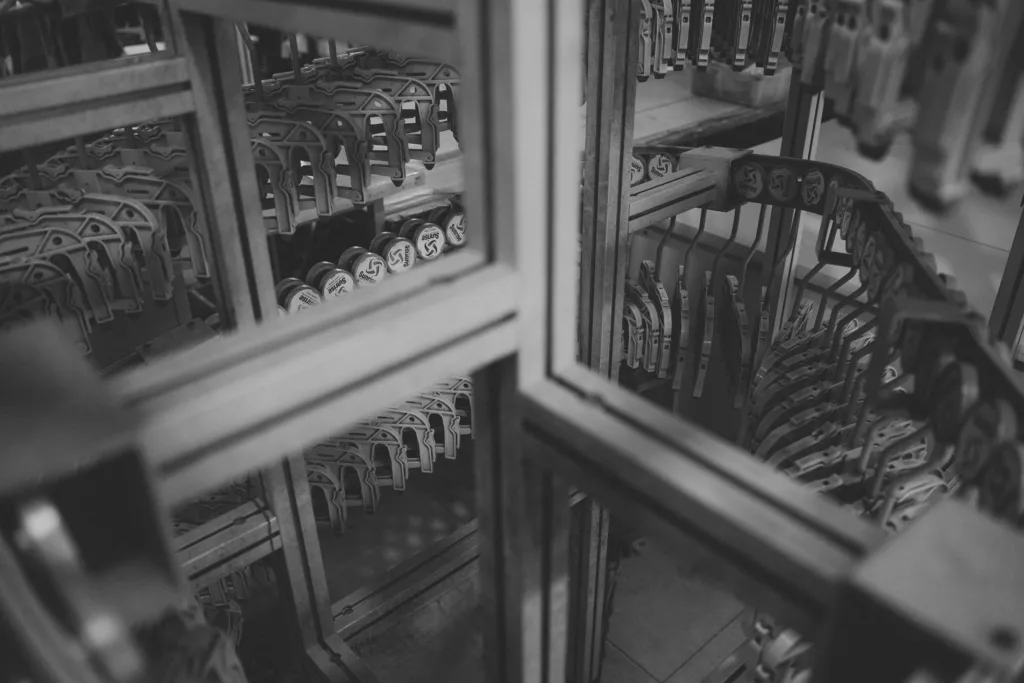
For a brand, customized logo are essential. However, adding logo requirement technical tooling support, which also need MOQ to amortize production cost and achieve economies of scale.
-Production efficiency and minimum volume setting up
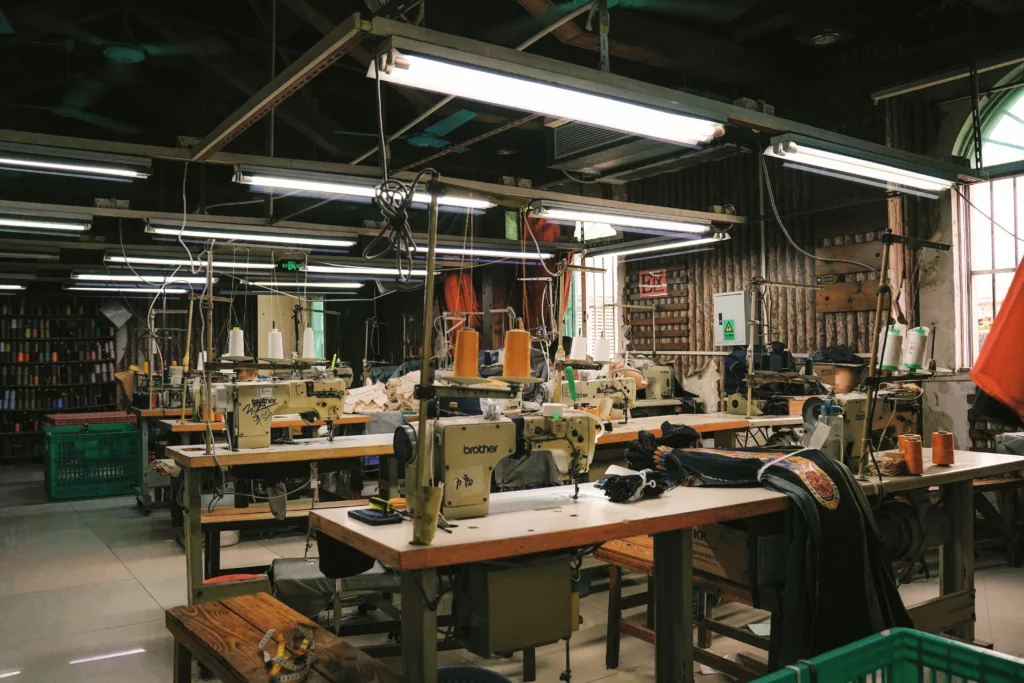
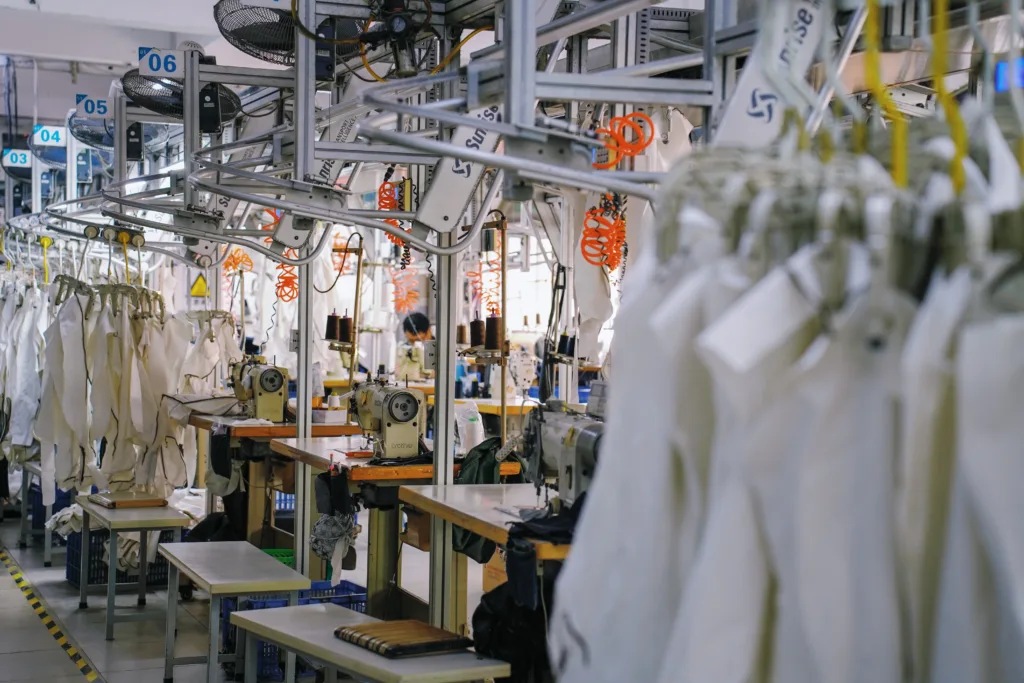
Nowadays, garment manufacturer relied on the industrial machine, Every time machine setup and calibration incurs time related cost . MOQ requirement is designed to amortize these setup costs across each item. Furthermore, consistent batch production prevents frequent changing tool, so the can the maintaining high labor productivity.
-Lower the wastage
Normally the waste of the fabric and the accessories is 3%-8% in denim production. And small batch wastage will be over 10% or even more. Meanwhile, small order raise up the cost of the stock management, quality control etc. MOQ setting is also for filtering the high-cost and low-profit order, improving the overall efficiency.
MOQ is significance in the denim production especially in custom denim jeans manufacturing, not only fabric mill and garment factory, but also in accessories supplier, such as zipper, button, label, hang-tag etc. It is all related in the whole supply chain system.
What does MOQ stand for Brand and purchasers?
For brands, specially small and new starting, always ask for low MOQ to cut the risks of the inventory and improve capital turnover. Buyer need to research the market demand and make decision on whether increase units or change to small scale supplier. Normally the large/medium size garment factories with standardized processes has higher MOQ while small workshops offer low MOQ but not guarantees and after service.
How to negotiate with supplier about the MOQ as low as possible?
When you heard initial MOQ figure from supplier, do not be shocked. Lower MOQ isn’t just about the small volumes, Below is some tips to help getting lower MOQ.
-Simplify products design and reduce the customized processes,
-Use the core material to cover the style as much as possible to realized the sharing,
-Optimizing the size range allow for higher units per SKU
-Same style/fit to different washing color
-Use modem technologies like digital print instead of screen print
-Use available stock instead of customized make
-Keeping using same custom trims and bear the risk of the material inventory
-Pre-sell to see the market reflection
A deep understanding factory production cost can help you effectively optimize cost-sharing and enhance production efficiency. Reego can help you in flexible MOQ and offer full purchase solution. Though optimization to reduce the small-batch cost or cooperation to share , split the MOQ pressure. Finally achieve flexible production while ensuring quality and cost.
Reego Denim se especializa en jeans desde hace más de 20 años. La empresa comenzó como un pequeño taller y actualmente colabora estrechamente con numerosas marcas de moda mediante diseño creativo y producción de calidad, con una capacidad anual de 2 millones de prendas. Reego cuenta con tres fábricas subsidiarias con certificaciones BSCI/QIMA, que producen jeans, pantalones casuales y chaquetas de denim, y recientemente ampliaron su oferta a la indumentaria deportiva.
Además, Reego cuenta con un sólido equipo de diseño que presenta nuevas series cada temporada para seguir las tendencias. Su departamento de I+D colabora con proveedores como Advance Denim, AI Denim y Hotline Textile para desarrollar tejidos denim competitivos en costos.
Preguntas frecuentes
1. ¿Cuánto tiempo se necesita para hacer una muestra?
En Reego, el desarrollo de una muestra no consiste únicamente en coser. Seleccionamos el tejido más adecuado, evaluamos su encogimiento y probamos el color del lavado para asegurarnos de que la muestra cumpla los requisitos. También realizamos una inspección final de todos los detalles antes del envío para que reciba una muestra correctamente terminada.
2. ¿Cuál es la cantidad mínima de pedido (MOQ)?
Además, procuramos reducir los desperdicios a lo largo de todo el proceso como parte de nuestro compromiso con una producción sostenible. Para apoyar a las marcas nuevas, ofrecemos soluciones flexibles de pedidos de prueba que se adaptan a sus necesidades de lotes pequeños.
3. ¿Qué es lo más importante al comenzar una producción de denim?
En Reego, la comunicación es esencial. Antes de comenzar, nuestro equipo de diseño y patronaje revisa todos los detalles técnicos y analiza los puntos difíciles. Esto ayuda a reducir posibles errores y garantiza que el calce, el color y el estilo coincidan con lo solicitado y que el jean pueda fabricarse de manera viable.
¿Cómo se fabrican los jeans? ¿Se ha preguntado cómo se hacen? ¿Solo hay que coser? Definitivamente no. La fabricación de jeans requiere al menos cinco procesos principales,...
China, conocida como la fábrica del mundo, produce más de la mitad de los jeans del mercado global. Su producción eficiente, buena calidad y relación costo-beneficio...
Para ofrecer las mejores experiencias, utilizamos tecnologías como las cookies para almacenar y/o acceder a información del dispositivo. El consentimiento para estas tecnologías nos permitirá procesar datos como el comportamiento de navegación o identificadores únicos en este sitio. No consentir o retirar el consentimiento puede afectar negativamente determinadas características y funciones.
Funcional
Siempre activo
El almacenamiento o acceso técnico es estrictamente necesario para el propósito legítimo de permitir el uso de un servicio específico solicitado expresamente por el suscriptor o usuario, o con el único propósito de efectuar la transmisión de una comunicación a través de una red de comunicaciones electrónicas.
Preferencias
El almacenamiento o acceso técnico es necesario para el propósito legítimo de almacenar preferencias no solicitadas por el suscriptor o usuario.
Estadísticas
El almacenamiento o acceso técnico se utiliza exclusivamente con fines estadísticos.El almacenamiento o acceso técnico se utiliza exclusivamente con fines estadísticos anónimos. Sin una citación judicial, el cumplimiento voluntario por parte de tu proveedor de servicios de Internet o registros adicionales de un tercero, la información almacenada o recuperada únicamente con este propósito normalmente no puede utilizarse para identificarte.
Marketing
El almacenamiento o acceso técnico es necesario para crear perfiles de usuario con el fin de enviar publicidad, o para realizar el seguimiento del usuario en un sitio web o en varios sitios web con fines de marketing similares.



 por Yolanda
Comments are closed