En la industria de compra y venta minorista de denim, la mayoría de los compradores se concentra únicamente en negociar el precio con la fábrica. Sin embargo, un comprador experimentado sabe que el precio cotizado es solo una parte del costo. Si no se gestionan correctamente, varios costos ocultos de fabricación pueden reducir el margen de ganancia.
Como fabricante de denim en China, podemos identificar cinco costos ocultos que repercuten en el precio FOB y en la rentabilidad. Tanto si usted compra directamente como si gestiona el abastecimiento de una marca, reconocerlos le permitirá tomar mejores decisiones.
El ciclo de desarrollo de muestras
El costo del muestreo repetido es uno de los gastos que se pasan por alto con mayor facilidad. En pedidos de denim con MOQ bajo, rehacer varias muestras puede eliminar el margen. Por ejemplo, en un pedido de 500 unidades, repetir una muestra dos veces puede aumentar el costo en USD 0,50 por jean: el costo de confección y los envíos de mensajería no desaparecen.
Puede considerar que corregir la muestra es responsabilidad del proveedor. Sin embargo, es probable que esos costos terminen incorporándose al precio. ¿Qué puede hacer?
– Proporcionar un tech pack completo con especificaciones técnicas precisas
– Trabajar con un proveedor experimentado en patronaje y que disponga de muestreo 3D de prendas
– Evaluar si los errores menores de la muestra pueden corregirse directamente durante la producción a granel, sin rehacerla
Lograr una muestra correcta desde el primer intento y reducir las repeticiones es una de las formas más importantes de ahorrar costos.
Gestión del consumo de tejido
Normalmente, el tejido representa alrededor del 30-40 % del costo de un jean. Por eso, su consumo influye directamente en el costo final.
Al elegir el tejido no debe considerar únicamente el precio unitario. También debe evaluar el encogimiento: un denim económico suele tener mayor contracción, lo que incrementa el consumo y obliga a comprar más tela. Aunque la fábrica no siempre detalle el consumo real, el comprador debe comprobar que la cotización sea viable.
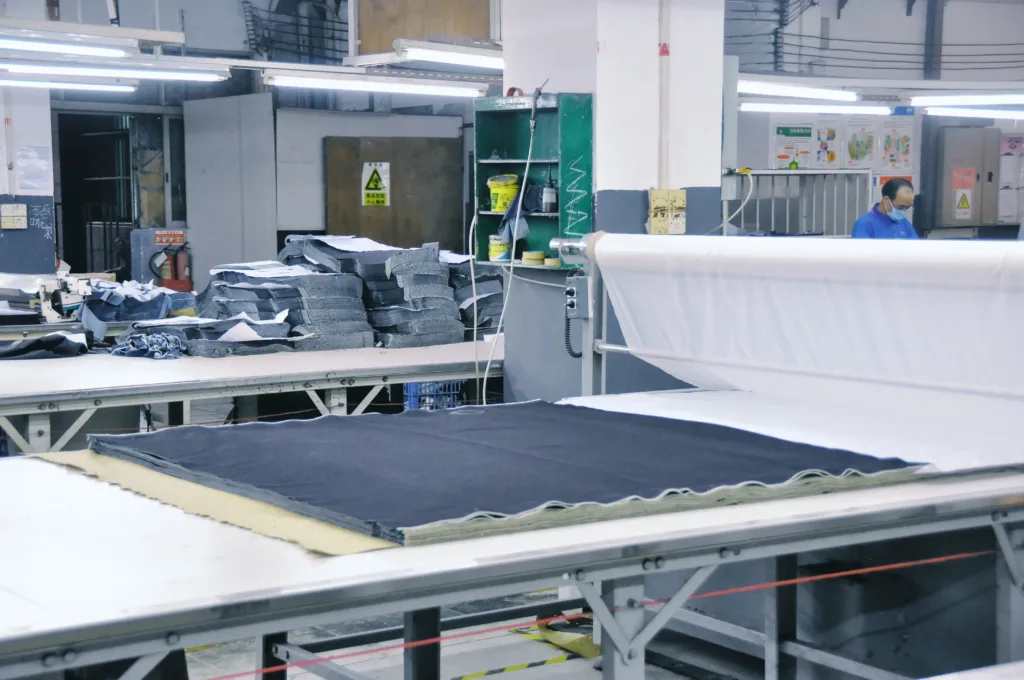
Además, la eficiencia media del corte manual tradicional suele rondar el 85 %, mientras que el patronaje digital CAD puede elevar el aprovechamiento por encima del 90 %. En producciones de gran volumen, un sistema de corte automatizado reduce los errores humanos y puede disminuir el consumo de tejido al menos un 2 %.
Control de la estabilidad del lavado
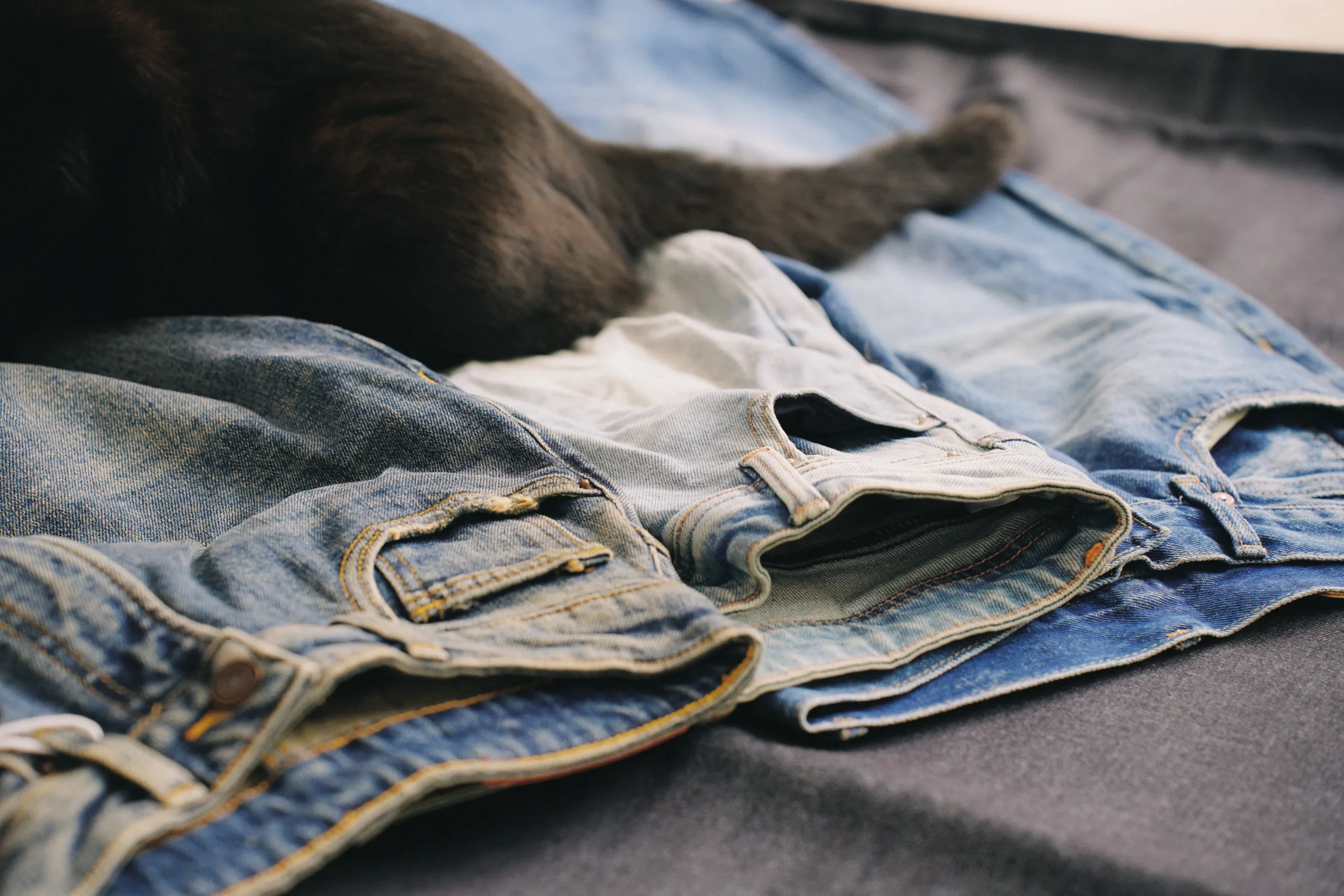
El lavado es el alma de los jeans, pero cada técnica de lavado conlleva distintos riesgos de producción y porcentajes de desperdicio.
El lavado ácido o el blanqueado intensivo generan más merma que un enjuague. Si técnicas de lavado diferentes se cotizan con exactamente el mismo porcentaje de desperdicio, conviene revisar el riesgo de calidad oculto.
Además, el fabricante suele ejecutar un primer lote para controlar el aspecto final de la colección. Si es necesario repetir el lavado varias veces, aumentan la merma, el plazo de entrega y el costo unitario.
Solución: trabajar con una lavandería de calidad o con un proveedor especializado como Reego, acertar con el color desde el primer lavado, evitar reprocesos y mantener la merma dentro de un nivel normal.
Estandarización de avíos: el valor estratégico de los pequeños componentes
No subestime los avíos que utiliza en sus jeans. Una etiqueta puede parecer económica y de escaso impacto, pero su bajo precio normalmente solo se obtiene al producir grandes cantidades.
Casi todas las marcas necesitan avíos personalizados con su logotipo, y la mayoría de los proveedores exige un MOQ alto o aplica un cargo mínimo. Ese costo oculto se incorpora al precio unitario. Cuantos más avíos personalizados se utilicen en la muestra, más cargos se acumulan; además, si cada modelo usa componentes exclusivos, aumenta el riesgo de desperdicio o stock inmovilizado.
Solución: estandarizar los accesorios siempre que sea posible, utilizar avíos disponibles en stock y consolidar componentes para optimizar la producción y reducir costos. La estandarización no es solo una decisión estética o de estilo; también mejora la agilidad financiera.
Inspección : la póliza de seguro «oculta»
Para la mayoría de las marcas, un retraso en la entrega o un defecto de calidad no es solo un problema técnico: afecta directamente las ventas y el margen minorista.
Muchas marcas realizan únicamente una inspección final antes del envío. Si el error se detecta en el último momento, algunas fallas ya no pueden corregirse o requieren un costo adicional elevado.
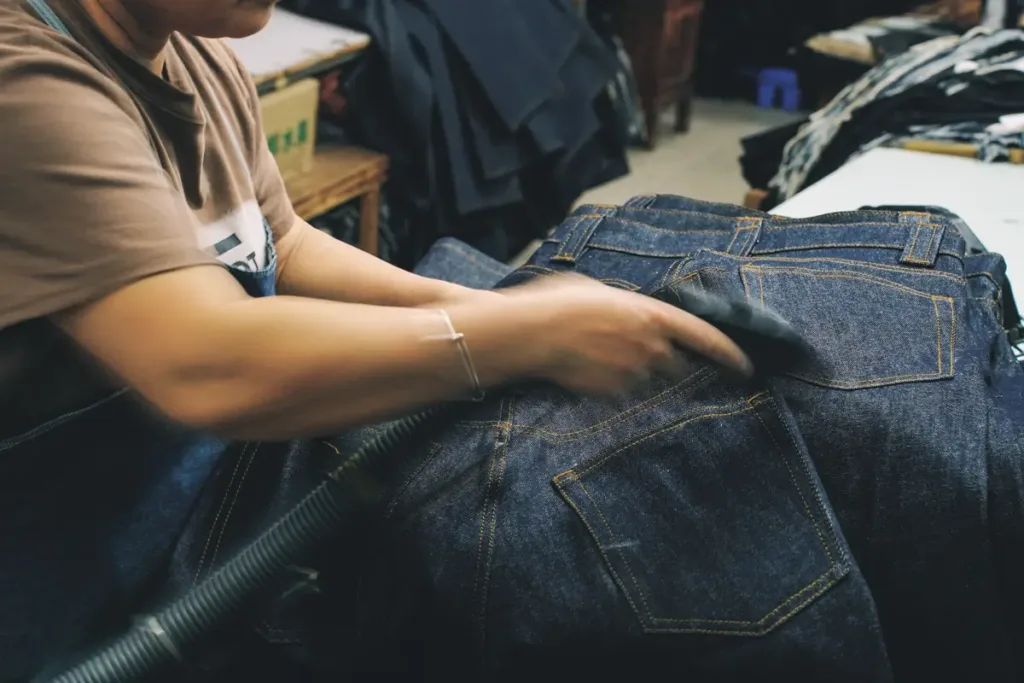
Consideramos que la inspección durante la producción es aún más importante, especialmente en denim. Una vez lavada la prenda, corregir pespuntes puede dejar marcas que no se eliminan por completo. Esta inspección quizá no reduzca el precio cotizado de inmediato, pero a largo plazo disminuye retrabajos, tiempo y esfuerzo de gestión.
Conclusión: compras inteligentes
Reducir los costos de compra de denim al por mayor no consiste únicamente en negociar el precio con la fábrica, sino en mejorar la eficiencia. Evitar el muestreo repetido y estandarizar los avíos protege el margen minorista y optimiza la producción. Un proceso fluido es una de las mejores formas de ahorrar. Al trabajar con un fabricante profesional como Reego, se prioriza acertar con el lavado y el calce desde el primer intento y reducir los costos ocultos, para mantener una producción de calidad, rentable y transparente de principio a fin.
1. ¿Cuánto tiempo se necesita para hacer una muestra?
En Reego, el desarrollo de una muestra no consiste únicamente en coser. Seleccionamos el tejido más adecuado, evaluamos su encogimiento y probamos el color del lavado para asegurarnos de que la muestra cumpla los requisitos. También realizamos una inspección final de todos los detalles antes del envío para que reciba una muestra correctamente terminada.
2. ¿Cuál es la cantidad mínima de pedido (MOQ)?
Además, procuramos reducir los desperdicios a lo largo de todo el proceso como parte de nuestro compromiso con una producción sostenible. Para apoyar a las marcas nuevas, ofrecemos soluciones flexibles de pedidos de prueba que se adaptan a sus necesidades de lotes pequeños.
3. ¿Qué es lo más importante al comenzar una producción de denim?
En Reego, la comunicación es esencial. Antes de comenzar, nuestro equipo de diseño y patronaje revisa todos los detalles técnicos y analiza los puntos difíciles. Esto ayuda a reducir posibles errores y garantiza que el calce, el color y el estilo coincidan con lo solicitado y que el jean pueda fabricarse de manera viable.
¿Cómo se fabrican los jeans? ¿Se ha preguntado cómo se hacen? ¿Solo hay que coser? Definitivamente no. La fabricación de jeans requiere al menos cinco procesos principales,...
China, conocida como la fábrica del mundo, produce más de la mitad de los jeans del mercado global. Su producción eficiente, buena calidad y relación costo-beneficio...
Para ofrecer las mejores experiencias, utilizamos tecnologías como las cookies para almacenar y/o acceder a información del dispositivo. El consentimiento para estas tecnologías nos permitirá procesar datos como el comportamiento de navegación o identificadores únicos en este sitio. No consentir o retirar el consentimiento puede afectar negativamente determinadas características y funciones.
Funcional
Siempre activo
El almacenamiento o acceso técnico es estrictamente necesario para el propósito legítimo de permitir el uso de un servicio específico solicitado expresamente por el suscriptor o usuario, o con el único propósito de efectuar la transmisión de una comunicación a través de una red de comunicaciones electrónicas.
Preferencias
El almacenamiento o acceso técnico es necesario para el propósito legítimo de almacenar preferencias no solicitadas por el suscriptor o usuario.
Estadísticas
El almacenamiento o acceso técnico se utiliza exclusivamente con fines estadísticos.El almacenamiento o acceso técnico se utiliza exclusivamente con fines estadísticos anónimos. Sin una citación judicial, el cumplimiento voluntario por parte de tu proveedor de servicios de Internet o registros adicionales de un tercero, la información almacenada o recuperada únicamente con este propósito normalmente no puede utilizarse para identificarte.
Marketing
El almacenamiento o acceso técnico es necesario para crear perfiles de usuario con el fin de enviar publicidad, o para realizar el seguimiento del usuario en un sitio web o en varios sitios web con fines de marketing similares.






 por Yolanda
Comments are closed