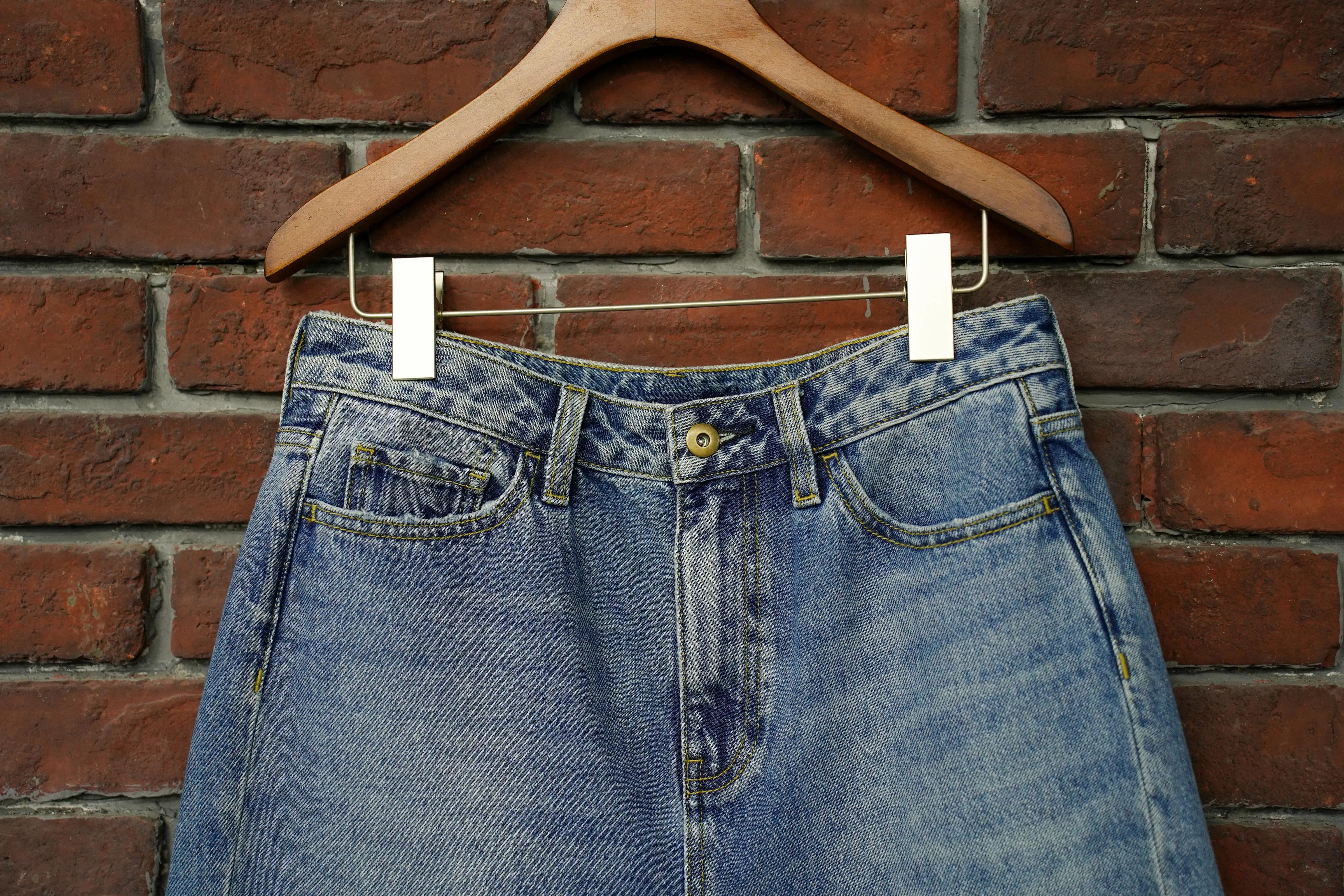
Figure: Raw denim jeans with deep indigo tone and rigid look
Raw Denim or Dry Denim, it’s denim fabric that hasn’t undergone any washing, bleaching, or other industrial finishing processes after being weaved and dyed. It has the rigid stiff hand feel, a dep indigo blue and natural texture on the surface, like premium selvedge denim.
The core of the raw denim is its fading process. After some months of wear, the indigo rubs off in high-friction areas, creating personalized creases like whiskers or honeycombs shape base on the body lines and movement, create a one of a kind piece of jean belongs to you. And this is why denim heads and lover chasing the raw denim even need putting some months or years works.
What is Washed Denim?
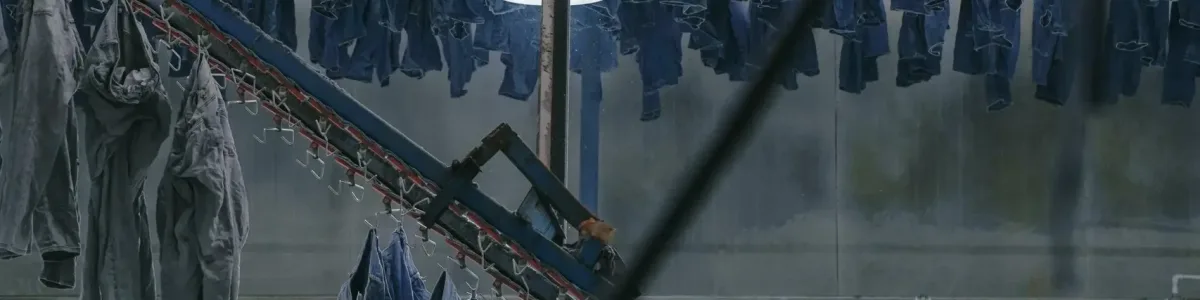
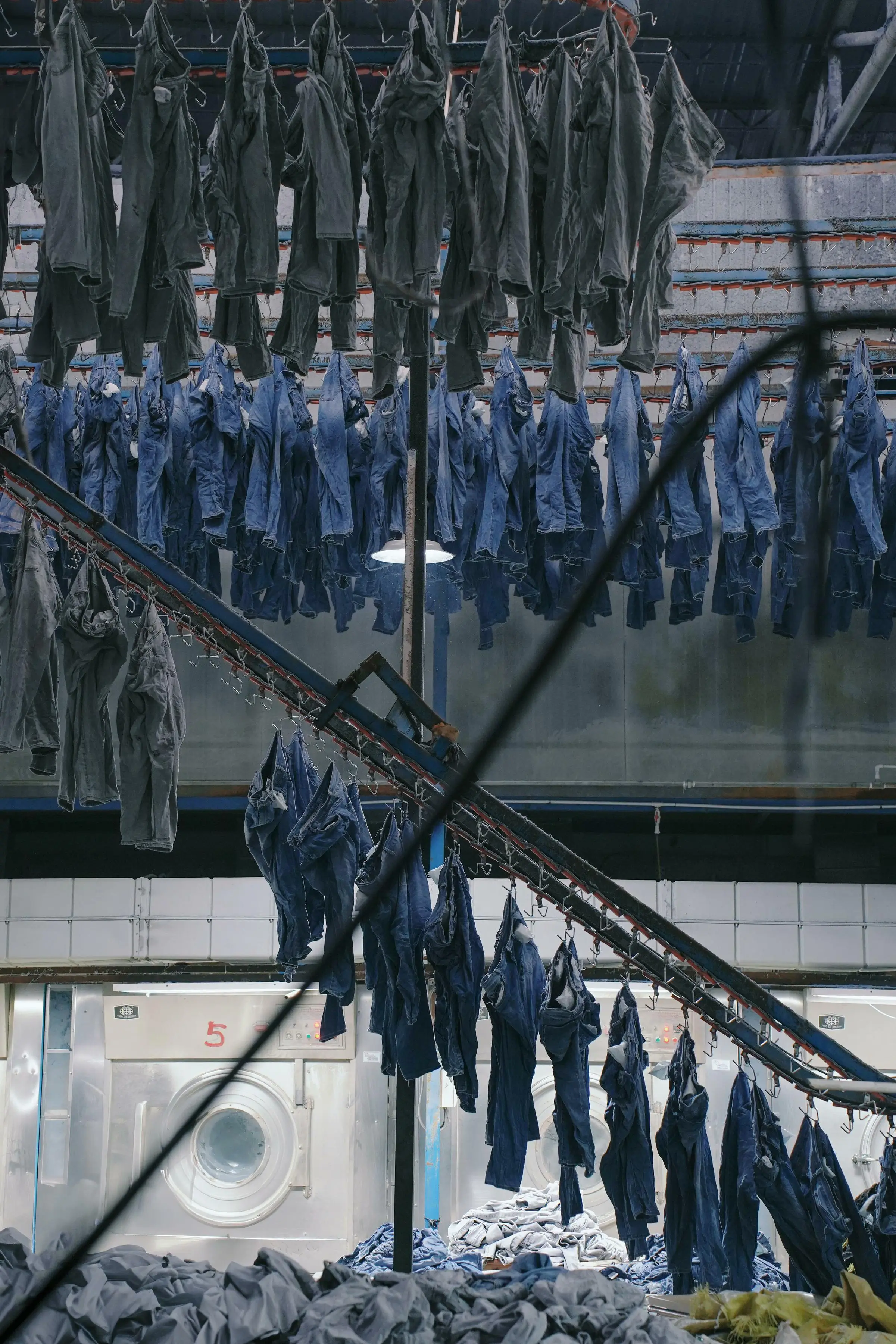
Figure: Washed denim garments after industrial laundry process
Washed Denim or pre-wash denim is the one that have under gone industrial washing, bleaching or other physical treatment after sewing. This is most common ready-to-wear garment you see in stores.
Through the artificial industrial laundry processes, these jeans achieve a vintage worn-in look, wear marks with soft, skin-friendly comfortable feel. Since they’ve already been washed, they will be more stable and no indigo bleeding, not worry about the fading when daily wear.
Raw vs. Washed
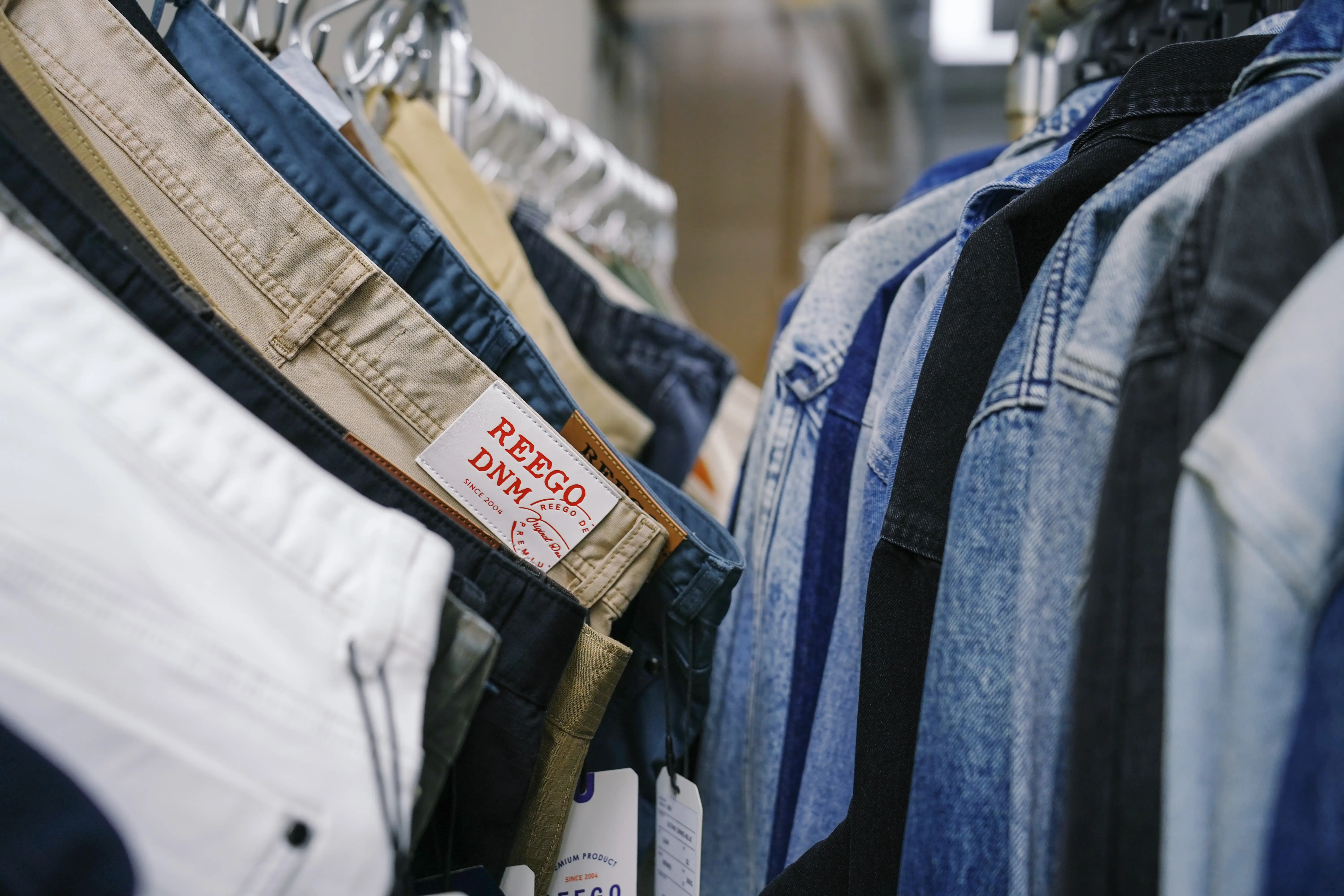
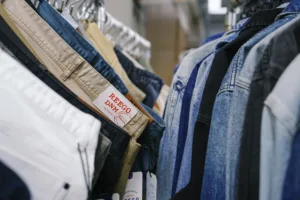
Figure: Denim comparison samples for product review
Raw Denim
Washed Denim
Look
Dark indigo,
Various shade of Indigo/blue
Texture Feel
Stiff, rigid, rough
Soft and skin friendly
Maintenance
High(hand washing, less wash before faded)
Medium(Home machine washing)
Durability
High
Medium
Price
Mid to High(premium)
Entry to Mid
Target
Enthusiasts, Eco-conscious
Mass Market
Colorfastness
Weak, indigo easily to fade
Medium To High
Strategic Considerations for Product Selection
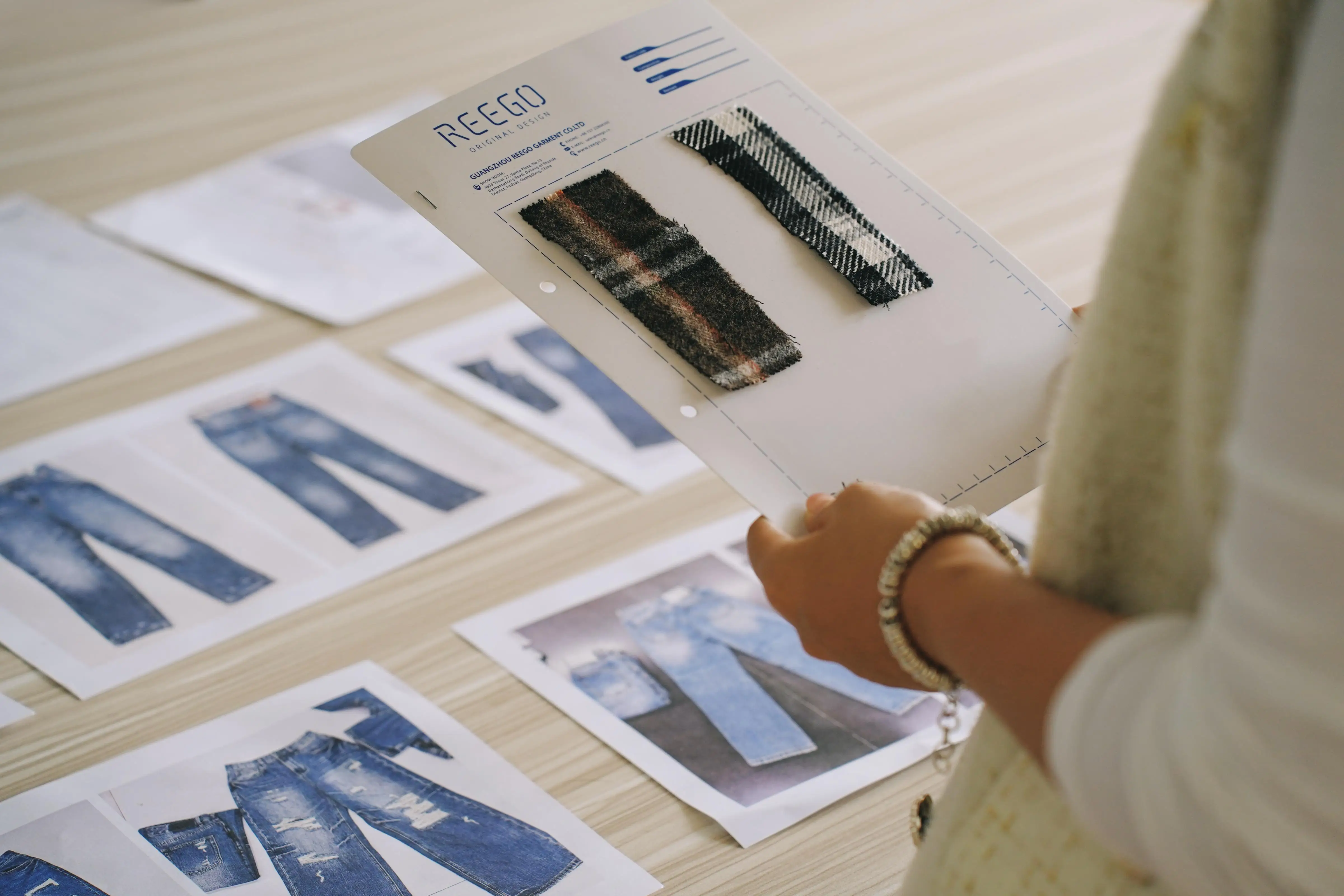
Figure: Denim product selection for different market positioning
Raw denim appeals to the denim enthusiasts. These customers are willing to pay a premium for artisanal craftsmanship and know how to take of the jeans, and turning it into personalized valued-added pieces. Washed denim is more suitable for mass market and daily wearing. It doesn’t need to know the denim,just choose their preferred style and wear it.
Raw denim doesn’t undergo washing, so in theory its production costs are lower than washed denim. However, consumer acceptance is limited. And Raw denim jean is easily to fade and color transfer onto shoes, sofas or light colored items, which normal consumers is hard to accepted. Brand need patience in explaining and educating customers. Washed denim jean, although additional washing increase costs, it is easier for customers to accept and sells more quickly, faster inventory turnover.
Raw denim is much simply than wash denim. It can sell in all season and never go out of fashion. But wash denim is much seasonal. If style/washing does not align with fashion trends well, that will have large inventories risk and need to cleared in discount.
Raw denim typically uses selvedge denim to show its value. Actually normal denim fabric can also be used for raw jeans, but most brands in the market tend to prefer selvedge denim to highlight the storytelling aspect and demonstrate their commitment to premium craftsmanship. If your brand is focus on high-end craftsmanship,sustainability, slow fashion and eco-friendly, raw denim is ideal choice.
Conclusion
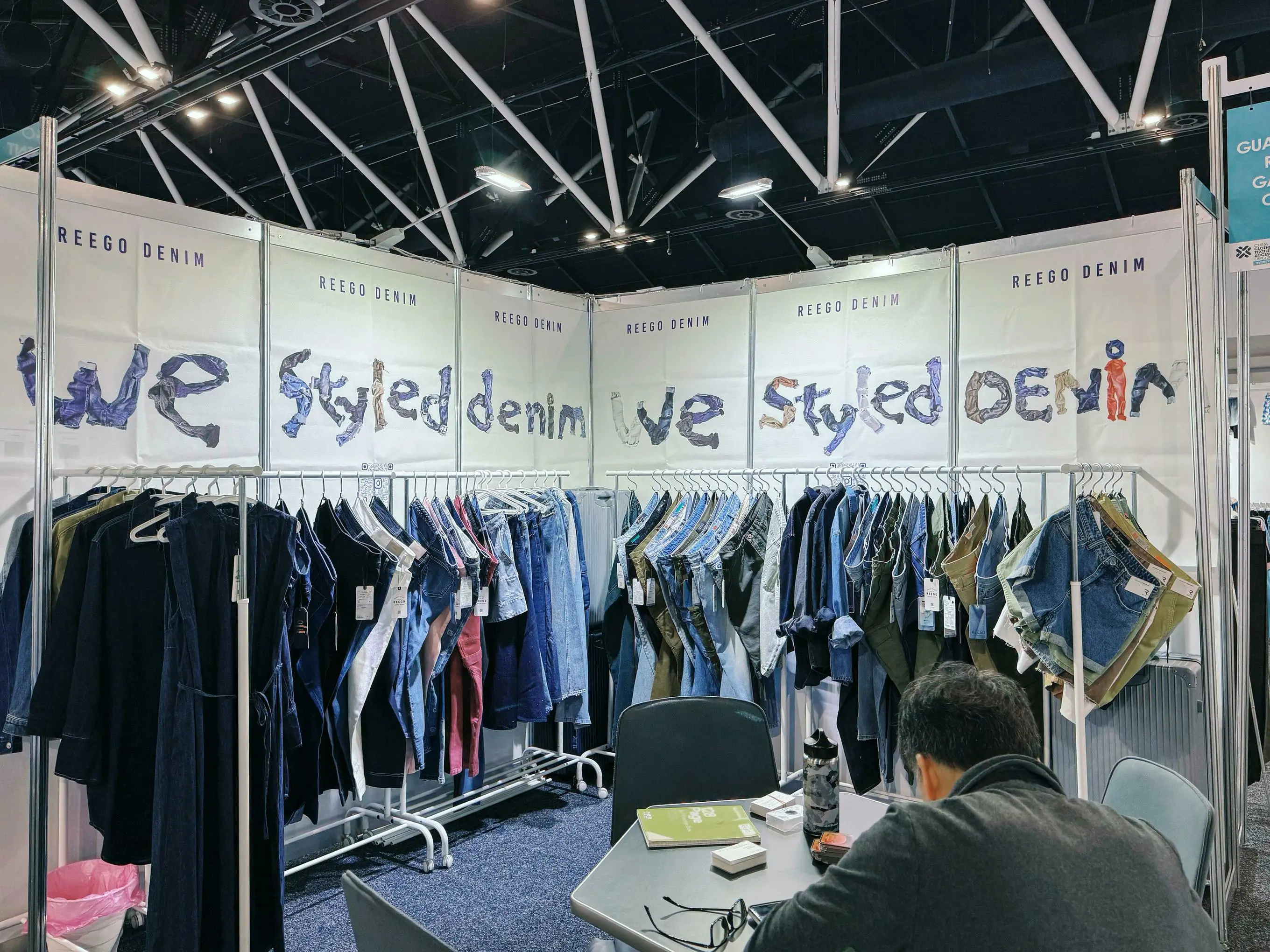
Figure: Denim product line presentation for global buyers
Raw denim still holds a relatively low market share, but a strong, denim-savvy brand typically has its own raw denim product line Washed denim drives sales, while raw denim helps establish a distinctive brand identity and creates opportunities for premium price positioning.
Are you looking to optimize your denim supply chain? We provide a curated selection of both Raw Selvedge and ethically Washed Denim tailored for global retailers.
Yes, raw denim (especially unsanforized) can shrink 5-10% after the first wash, whereas washed denim has already undergone a pre-shrinking process during manufacturing.
2.Is raw denim more durable than washed denim?
Generally, yes. Raw denim fibers haven’t been weakened by chemical or mechanical washing processes, making the fabric stiffer and more durable initially.
3.How long does it take for raw denim to fade?
Natural fading usually begins after 3 to 6 months of consistent wear, depending on the activity level and how often the jeans are washed.
How are jeans manufactured? Do you wonder how are jeans made? Does it only need stitching? Definitely No.Jeans manufacturing requires at least five major processes,...
As all know, China as word know factory, produces over half of the worlds denim jeans.And the high efficiency production , good quality and cost-effective...
To provide the best experiences, we use technologies like cookies to store and/or access device information. Consenting to these technologies will allow us to process data such as browsing behavior or unique IDs on this site. Not consenting or withdrawing consent, may adversely affect certain features and functions.
Functional
Always active
The technical storage or access is strictly necessary for the legitimate purpose of enabling the use of a specific service explicitly requested by the subscriber or user, or for the sole purpose of carrying out the transmission of a communication over an electronic communications network.
Preferences
The technical storage or access is necessary for the legitimate purpose of storing preferences that are not requested by the subscriber or user.
Statistics
The technical storage or access that is used exclusively for statistical purposes.The technical storage or access that is used exclusively for anonymous statistical purposes. Without a subpoena, voluntary compliance on the part of your Internet Service Provider, or additional records from a third party, information stored or retrieved for this purpose alone cannot usually be used to identify you.
Marketing
The technical storage or access is required to create user profiles to send advertising, or to track the user on a website or across several websites for similar marketing purposes.

 by Yolanda
Comments are closed