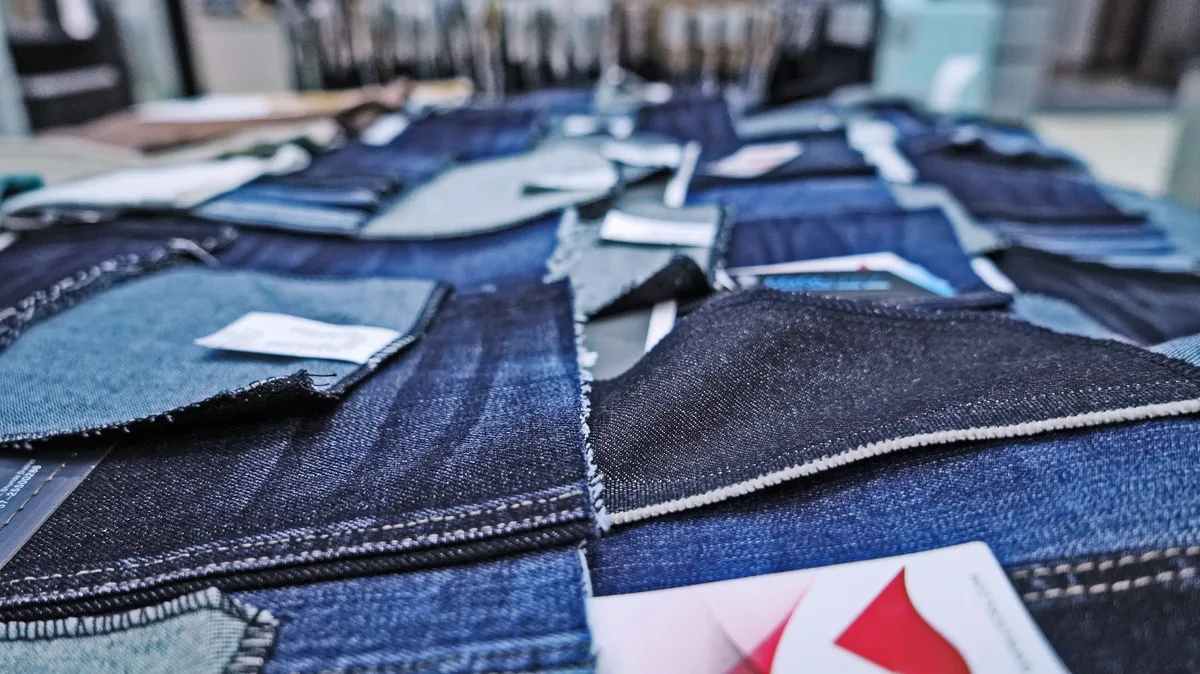
Premium denim fabric swatches compared side by side
When sourcing denim fabric, you can’t just look at fabric weight and weave structure. Many high-end denim brands start with the raw material – Cotton. By using different types of the cotton yarn, they achieve superior color stability and more premium fabric feel. Most people don’t understand the different types of cotton or what makes premium cotton special. Here’s a clear breakdown to help you choose the best fabric for your denim brand.
Macro detail of premium denim fabric weave texture
Types of Premium Cotton
The ordinary cotton in the market has a fiber length of 15-35mm, and it accounts for 90% of the global cotton production. However, the premium cotton has a fiber length of over 33mm with natural silky luster, usually called extra-long cotton(ELS cotton), it’s a well-recognized high-quality cotton. Depending on where it’s grown, it’s marketed under distinct commercial names including Pima Cotton, Giza Cotton, Sea island Cotton etc.
Fine cotton yarn threading through needle — precision craftsmanship
Pima Cotton
Pima Cotton is mainly from the US and Peru, the top grade of American Pima is branded Supima®, certified by the American Supima Association. Its fibers average 38mm in length, making it twice as strong as normal cotton. The fibers are much finer, making the denim fabric smoother and highly resistant to pilling.
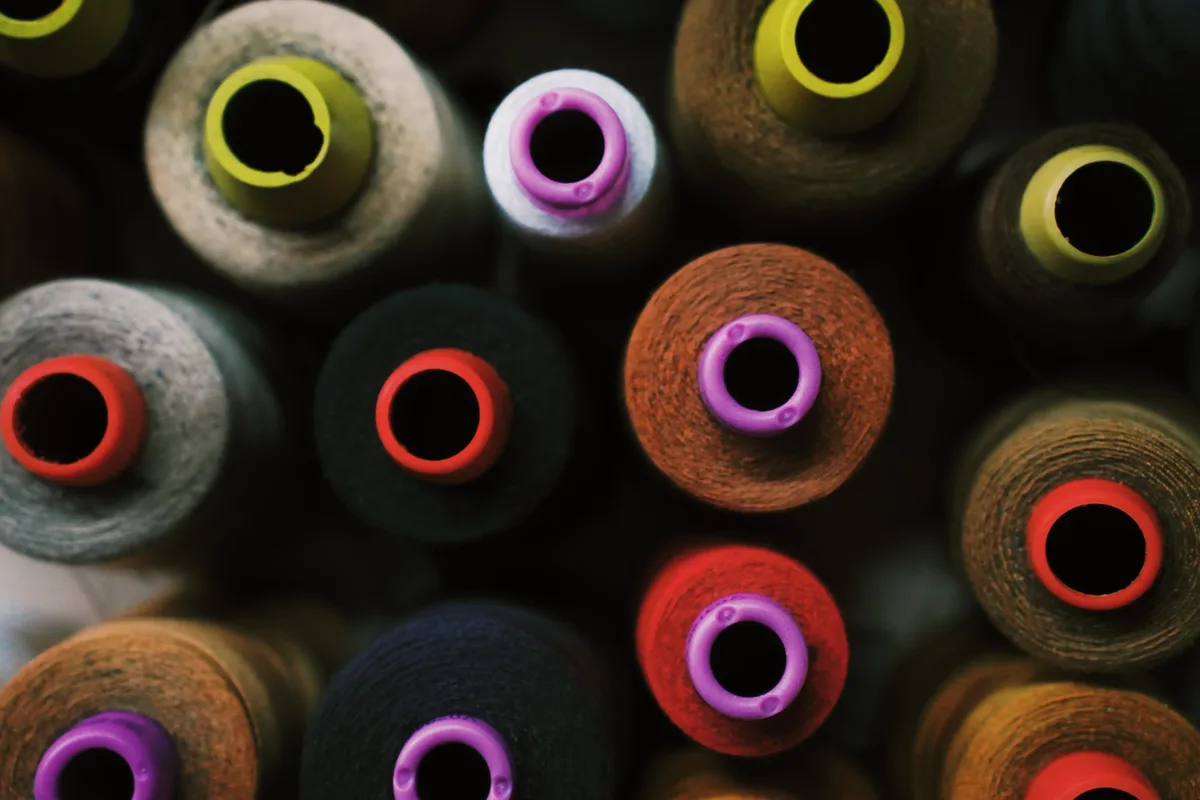
Premium cotton thread spools in various colors
Sea Island Cotton
Authentic Sea Island cotton is exclusively harvested in the West Indies, mainly across Caribbean Island. But annual output is only about 4 parts per million. Its fiber length can be over 50mm, the longest fibre in the world, it reflects light 50% better than ordinary cotton, giving the fabric a natural silky sheen. And it has the highest natural twist strength, resulting in excellent resilience and superior tensile strength. And because of its high resilience, when woven into fabric, it has superior bounce-back. Even after many washes, it maintains its appearance.
However, authentic Sea Island cotton must be certified by WISICA, with each kilo assigned a unique identification number. So most “Sea Island Cotton” on the market is from India, Egypt or Peru.
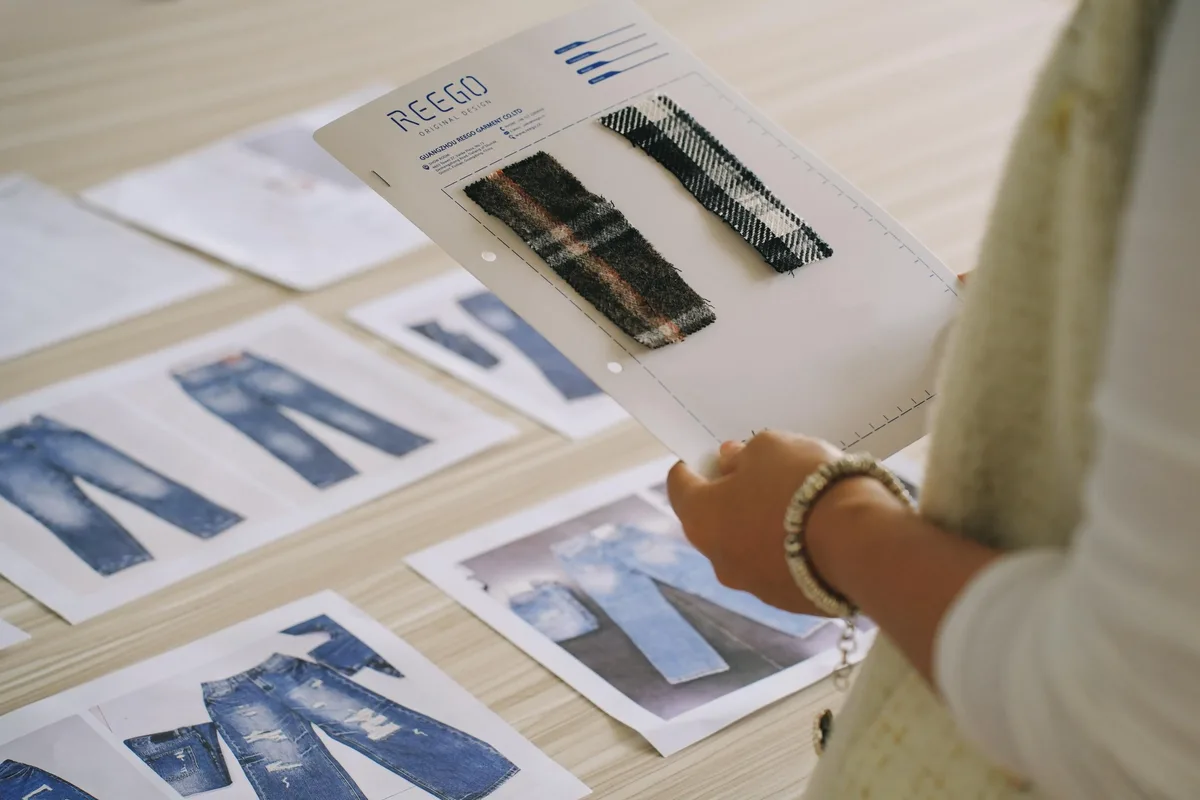
Fabric sample board for design review and quality assessment
Giza Cotton
Giza cotton is the commercial name for Egyptian Long-staple Cotton. It primarily consists of varieties like Giza 45, Giza 70 and Giza 86.Giza 45 performs best in staple length and physical metrics but output is very limited. Giza cotton features are high fiber strength, consistent fineness, resulting in excellent deep, rich indigo shading for premium denim.
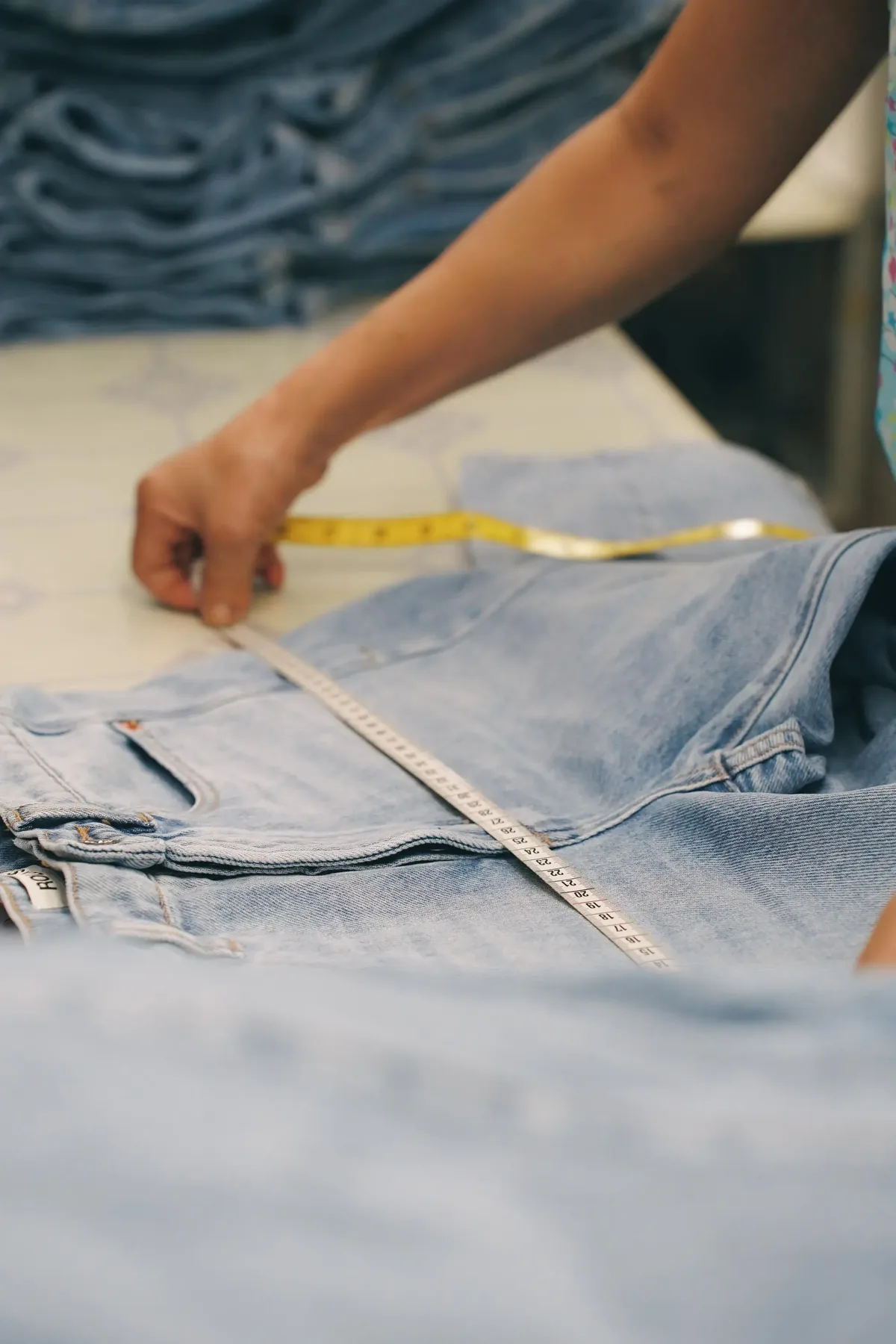
Quality control — ensuring premium denim craftsmanship
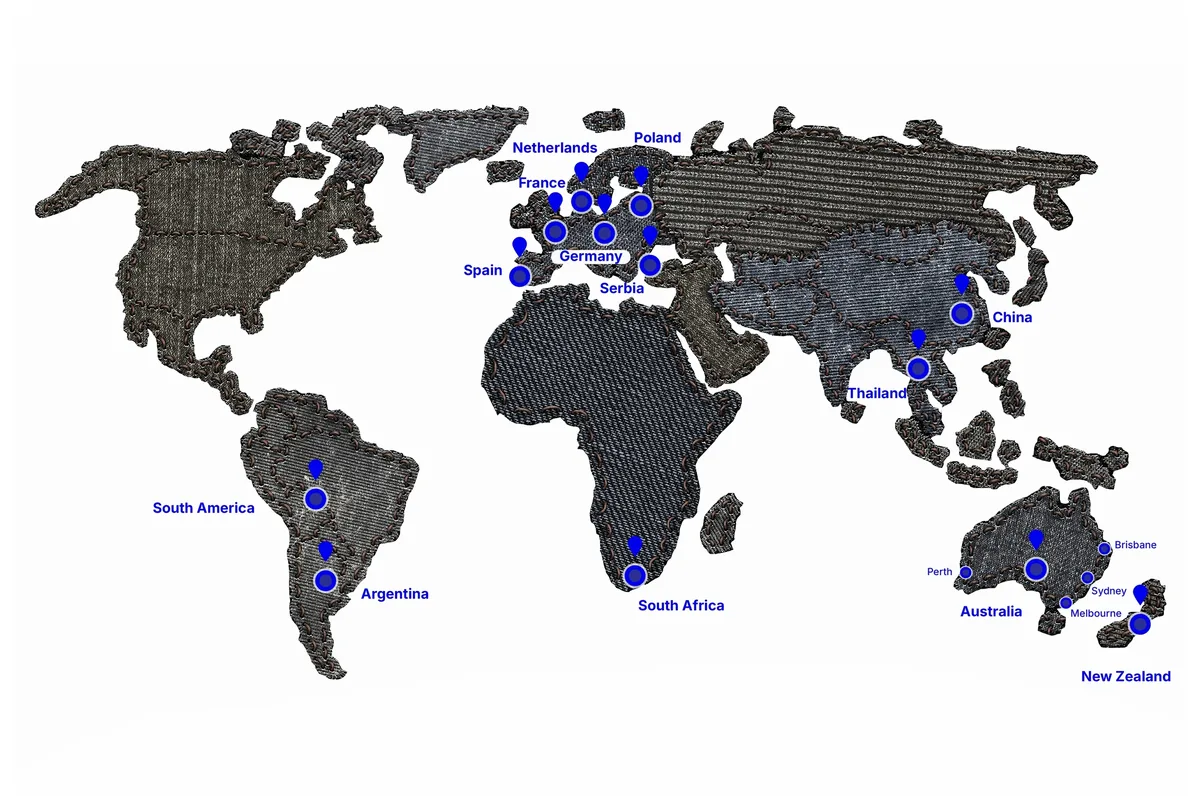
Global sourcing regions for premium cotton varieties
Conclusion
These premium cottons can produce luxury denim fabric, but their limited yields mean they can’t be priced at ordinary levels. However, the raw material cotton, is only one part of the good denim fabric. With the rapid advancement in textile technology, innovative weaving techniques can elevate standard cotton yarn to higher quality levels. If you want to know more about premium denim fabric, please feel free to contact Reego.
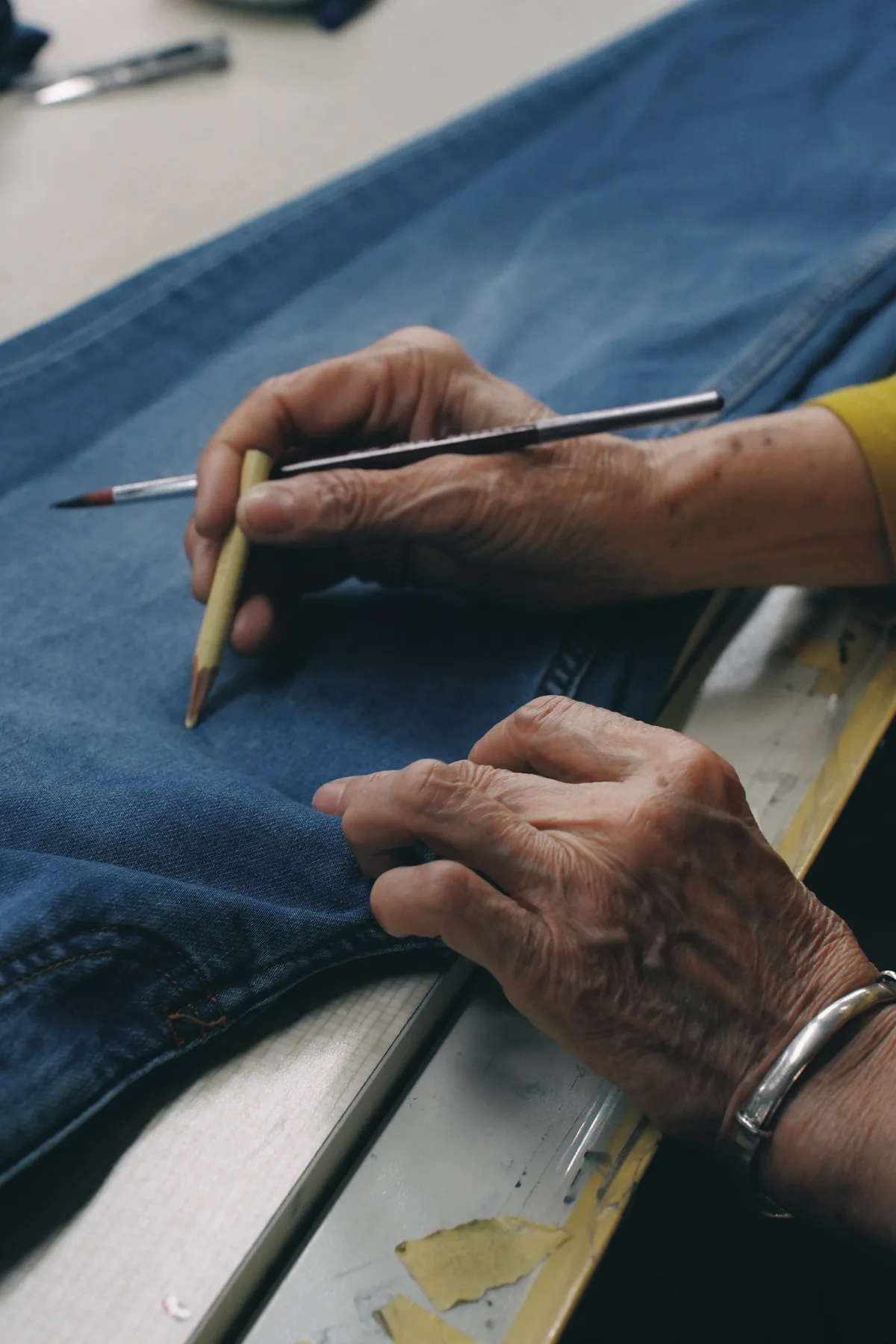
Hand craftsmanship — the mark of premium denim manufacturing
Pima Cotton (Supima)
US & Peru origin, 38mm fibers, 2x normal strength. Certified by Supima Association. Best for everyday luxury denim with smooth finish and excellent pilling resistance.
Sea Island Cotton
Caribbean exclusive, 50mm+ fibers, world’s longest. 50% better light reflection for natural silky sheen. Only 4ppm annual yield. Must carry WISICA certification.
Premium Cotton Varieties Comparison
See the table below for a detailed breakdown:
Premium Cotton Varieties: Full Comparison
Feature
Pima Cotton (Supima)
Sea Island Cotton
Giza Cotton (Egyptian)
Origin
USA & Peru
West Indies (Caribbean)
Egypt
Fiber Length
38mm average
50mm+ (longest in world)
35-45mm (varies by grade)
Annual Output
~3% of global cotton
<0.0004% (4 ppm)
Limited (Giza 45 rarest)
Strength
2x normal cotton
Highest natural twist strength
High fiber strength
Key Feature
Pilling resistant, smooth
50% better light reflection, silky sheen
Excellent deep indigo shading
Certification
Supima® Association (USA)
WISICA (unique per-kilo ID)
Egyptian Cotton trademark
Best For
Everyday luxury, smooth finish
Ultra-premium, limited edition
Rich indigo color, premium denim
See the table below for a detailed breakdown:
Ordinary vs Premium Cotton: Quick Comparison
Feature
Ordinary Cotton
ELS Premium Cotton
Fiber Length
15-35mm
33-50mm+
Market Share
~90%
~3%
Texture
Standard
Naturally silky luster
Strength
Baseline
2-5x stronger
Pilling Resistance
Moderate
Excellent
Cost
Standard
Premium (5-20x)
Data & Performance Metrics
Premium Cotton Fiber Length Comparison (mm)
Frequently Asked Questions
What makes ELS cotton better for premium denim? +
Extra-long staple (ELS) cotton fibers are 33-50mm+ in length, compared to 15-35mm for ordinary cotton. This longer fiber creates smoother, stronger yarn that produces denim with superior color depth, natural luster, and excellent pilling resistance. The longer fibers also result in fewer yarn splices, giving the fabric a more uniform appearance.
Why is authentic Sea Island cotton so expensive? +
Genuine Sea Island cotton has an annual yield of less than 0.0004% of global cotton production — approximately 4 parts per million. It is exclusively grown in specific Caribbean regions under strict WISICA certification with unique per-kilogram identification numbers. Combined with the longest fibers in the world (50mm+), superior light reflection, and highest natural twist strength, its extreme rarity drives premium pricing.
How do I verify if cotton is genuine Pima or Sea Island? +
For Pima cotton, look for Supima® certification from the American Supima Association, which authenticates US-grown Pima. For Sea Island cotton, only products with WISICA (West Indian Sea Island Cotton Association) certification with traceable unique ID numbers per kilogram are genuine. Most ‘Sea Island’ cotton on the market is actually from India, Egypt, or Peru without this certification.
Can I mix premium cotton with regular cotton in denim production? +
Yes, blending premium ELS cotton with standard cotton is a common practice to balance cost and quality. Even a 20-30% premium cotton blend can noticeably improve fabric softness, color depth, and surface smoothness compared to 100% standard cotton. This approach allows mid-tier brands to offer ‘premium-feel’ denim at more accessible price points.
Figure: Close-up denim fabric texture and weave detail Choosing the right denim fabric weight is one of the most important decisions a brand makes. This...
To provide the best experiences, we use technologies like cookies to store and/or access device information. Consenting to these technologies will allow us to process data such as browsing behavior or unique IDs on this site. Not consenting or withdrawing consent, may adversely affect certain features and functions.
Functional
Always active
The technical storage or access is strictly necessary for the legitimate purpose of enabling the use of a specific service explicitly requested by the subscriber or user, or for the sole purpose of carrying out the transmission of a communication over an electronic communications network.
Preferences
The technical storage or access is necessary for the legitimate purpose of storing preferences that are not requested by the subscriber or user.
Statistics
The technical storage or access that is used exclusively for statistical purposes.The technical storage or access that is used exclusively for anonymous statistical purposes. Without a subpoena, voluntary compliance on the part of your Internet Service Provider, or additional records from a third party, information stored or retrieved for this purpose alone cannot usually be used to identify you.
Marketing
The technical storage or access is required to create user profiles to send advertising, or to track the user on a website or across several websites for similar marketing purposes.


 by Yolanda