Choosing the denim fabric, you should not only consider the denim fabric weight and color. The fabric weaving construction also impacts the overall feel of the jeans. An experienced denim buyer can identify the character of a pair of jeans from its fabric weave structure. But many product buyers overlook denim fabric construction because they don’t understand the differences between weave types. Understanding right hand twill, left hand twill, and broken twill weaving is essential for brands looking for premium denim products.
Denim Fabric Weaving Foundation
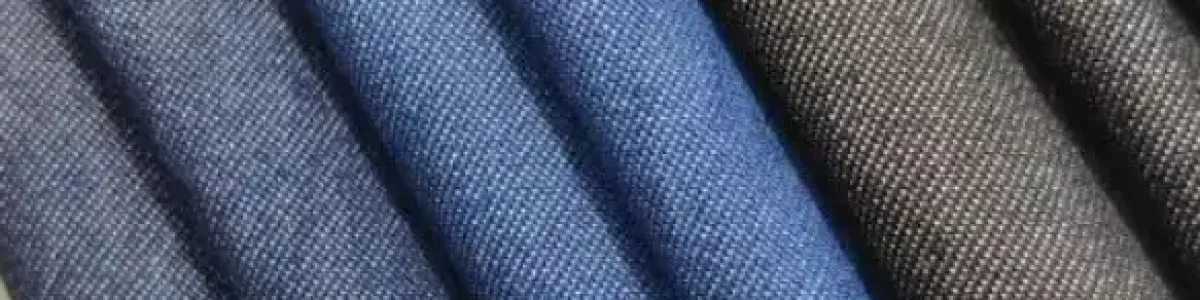
In denim manufacturing, denim is a traditional twill weave fabric, made from indigo warp yarns (vertically) and white weft yarns (horizontally) through interlaced weaving, giving it a diagonal ribbing pattern. Most denim fabrics are spun with Z-twist. This twist direction and the weave pattern are the keys to fabric structure. Understanding the denim fabric structure is the first step to identifying quality jeans.
Right Hand Twill (RHT): The Industry Standard
The diagonal lines of RHT denim fabric run from the top right to the bottom left. This is the most classic denim weave, such as 3/1 right-hand twill. RHT denim fabric offers a relatively crisp feel. When woven with standard Z-twist yarn, the weave direction reinforces the yarn’s twist. This creates a denser, stiffer, and more durable denim fabric, which is favored in the market for classic denim.
Left-Hand Twill (LHT): Soft-Hand
LHT denim fabric is the opposite direction of the RHT denim fabric. The diagonal lines run from bottom right to top left. This weave direction impacts the denim’s hand feel, making LHT a top choice for brands looking for comfortable jeans. Under the same conditions, LHT denim fabric is softer and fluffier than RHT denim fabric. This is because RHT tightens the yarn twist while LHT slightly relaxes it — tightening makes the fabric stiffer, while relaxing makes it softer. However, this difference is very slight after washing or finishing.
Broken Twill: The Engineered Anti-Twist Solution
Broken Twill is a combination of RHT and LHT, invented by Wrangler in 1964. Broken Twill does not have a continuous diagonal line. The weft yarn alternates left and right every two warp threads, forming a zigzag pattern. The diagonal lines look broken, which is why it’s called broken twill. The primary advantage of broken twill is that it prevents leg twisting after washing. LHT and RHT are prone to twisting issues due to the weave bias toward one side.
In the denim fashion industry, choosing the right denim fabric involves much more than just selecting weight and color. The denim fabric construction — Right Hand Twill (RHT), Left Hand Twill (LHT), Broken Twill, as well as other variations like slub yarn and irregular weaving — defines the fabric’s fundamental character.
RHT remains the standard for traditional denim due to its classic look. LHT is better suited for softer, more comfortable designs. And Broken Twill offers an engineered solution to leg twist.
Understanding the fabric texture is the key to elevating your product line. Ready to elevate your next collection? Partnering with a knowledgeable denim manufacturer who understands the science behind the weave will ensure your designs translate into high-quality, high-performing garments.
Quick Comparison: RHT vs LHT vs Broken Twill
| Weave Type |
Diagonal Direction |
Hand Feel |
Fading Characteristic |
Best Suited For |
| Right Hand Twill (RHT) |
Top-right to bottom-left |
Crisper, denser, stiffer |
Clear, sharp, high-contrast |
Classic, traditional heritage denim |
| Left Hand Twill (LHT) |
Bottom-right to top-left |
Softer, fluffier, relaxed |
Softer, slightly blurrier fade |
Comfort-focused premium jeans |
| Broken Twill |
Zigzag (Alternating direction) |
Balanced, smooth |
Unique, subtle zigzag pattern |
Anti-Twist Solutions |
In Summary — What Actually Matters When You’re Standing in a Fabric Room
Look, I’ve sat through enough fabric meetings to tell you this: most of the time, nobody’s going to ask you which twill direction a pair of jeans uses. But when something goes wrong — when a batch comes out of the wash with twisted legs, or when the hand feel on a comfort-fit jean feels off — you’ll wish you’d paid attention to the weave.
Here’s what I’d tell a colleague over coffee:
If you want a jean that holds its shape, breaks in beautifully after months of wear, and looks unmistakably classic — go with Right Hand Twill. It’s the default for a reason. Levi’s built a century of reputation on it.
If comfort is your number one selling point — think lounge-friendly denim, everyday jeans that don’t need a break-in period — Left Hand Twill is your friend. Lee figured this out ages ago, and it’s still true. The fabric just feels softer from day one.
And if you’ve ever had a customer send back a pair of jeans because the outseam twisted to the front after one wash? Broken Twill is the fix. No drama, no returns over leg twist. Wrangler engineered it in 1964 and it still works.
The real takeaway isn’t that one weave is “better.” It’s that you should know what you’re buying and why. When your manufacturer sends you a fabric swatch, spend thirty seconds checking the twill direction. It tells you more about how that jean is going to behave than the weight or the color ever will.
Personally, I lean toward RHT for rigid selvedge pieces and LHT for comfort fits. Broken Twill I’d reserve for clients who’ve been burned by leg-twist complaints before. Your mileage may vary — but at least now you know what to look for.
Frequently Asked Questions About Denim Weaves
What is the main difference between Right Hand Twill (RHT) and Left Hand Twill (LHT)?
The main difference lies in the direction of the diagonal lines. RHT runs from top-right to bottom-left, creating a denser and crisper feel. LHT runs from bottom-right to top-left, which slightly relaxes the yarn twist, resulting in a softer and fluffier fabric.
Why should a brand choose Broken Twill denim?
Broken Twill is the perfect engineered solution to prevent leg twisting after washing. Because it alternates the weave direction (creating a zigzag pattern), it neutralizes the fabric tension that causes traditional RHT or LHT jeans to skew.
Does the weave construction affect how denim fades?
Yes. RHT typically produces clear, sharp, and high-contrast fades. LHT tends to fade in a softer, slightly blurrier way due to its relaxed texture. Broken twill produces a unique, subtle zigzag fade pattern over time.
Which denim weave is best for premium comfort jeans?
Left Hand Twill (LHT) is generally the top choice for comfort-focused premium jeans because of its naturally softer hand feel. However, a properly finished and washed Broken Twill can also offer excellent comfort without the risk of twisting.


 by Yolanda
Comments are closed