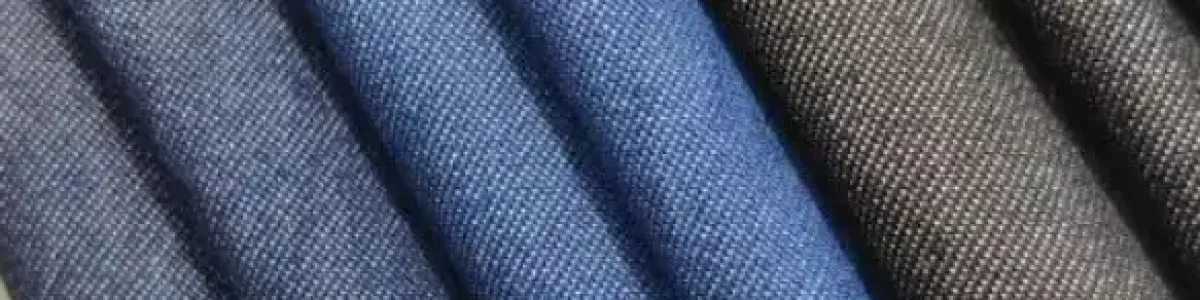
Denim fabric swatches showing the range from lightweight to heavyweight options
Compare lightweight, medium-weight, and heavyweight denim fabrics head-to-head. This side-by-side breakdown covers cost differences, target markets, seasonal suitability, and production requirements — so you can make the right choice for your brand. Therefore, lighter weight denim VS. Heavy weight denim, which is preferred? Which is more competitive for your brand? A deeper understanding of how denim weight impacts production is essential for your sourcing decisions and helps you optimize your next seasonal collection.
Denim fabric Weight- You need to know
Denim fabric is measured in ounces per square yard, unlike other textile supply chains that measure in grams. Normally the higher the ounce number, the thicker, rougher, and heavier the fabric. (How to choose the right denim fabric weight?)
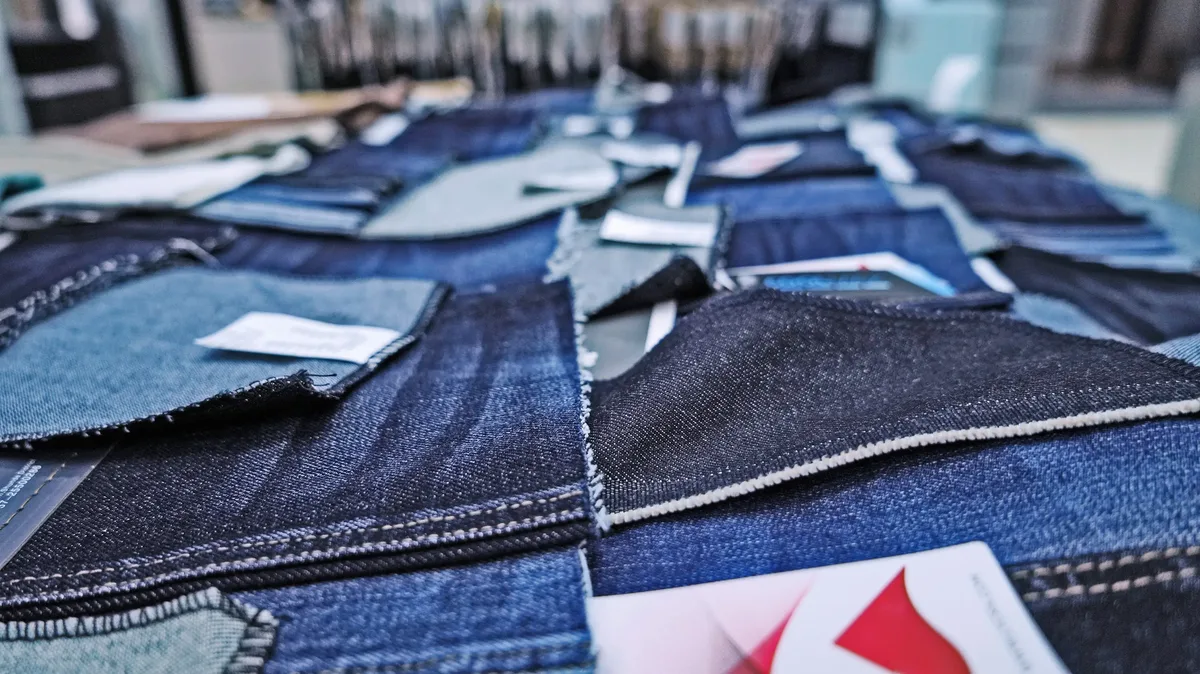
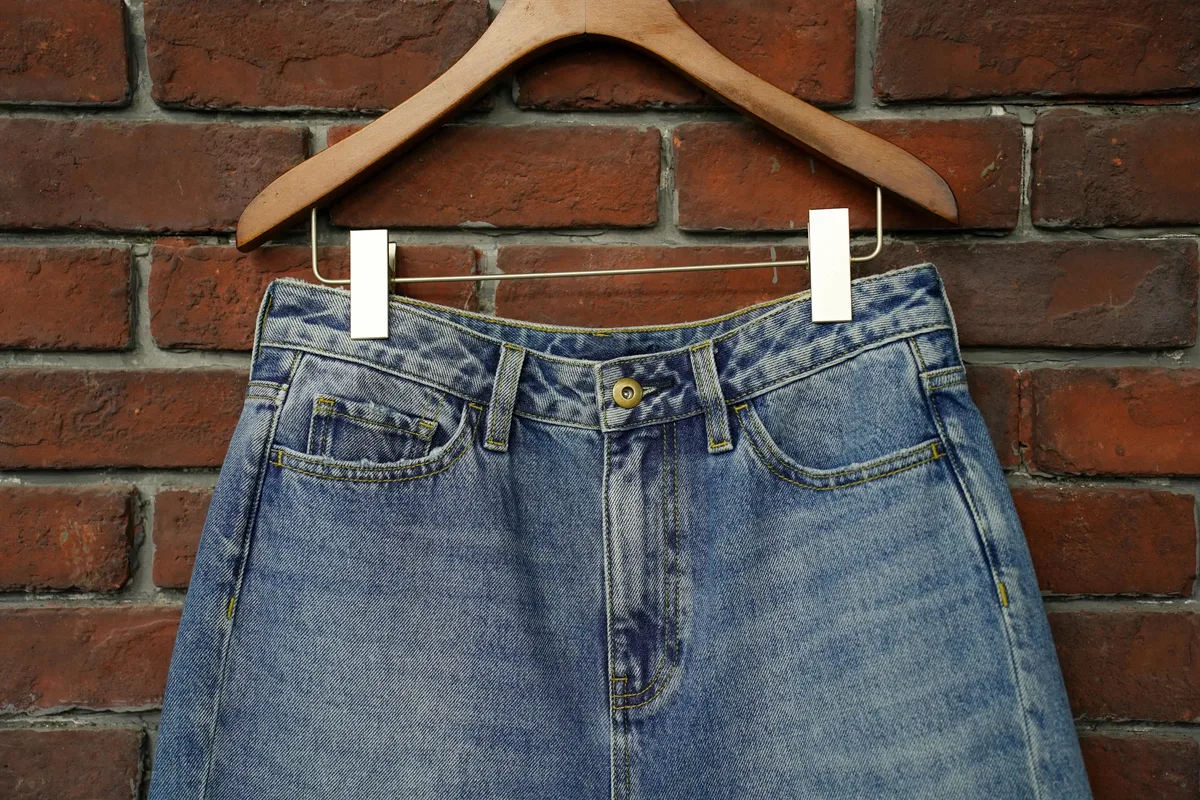
Close-up detail of denim fabric weave texture
Light weight denim: 4oz-9oz
Product lines: shirt, dresses, blouse etc
Medium weight denim fabric: 9-14oz (the most popular denim )
Product line:Classic denim jean,denim jacket
Heavy denim weight fabric: above 14oz
Products Line: workwear, motorcycle wear.
Different denim weights require different need gauges, thread thickness and appropriate sewing equipment. Most denim manufacturers can handle the full range of denim fabric weights. Light weight denim fabric need thinner thread and smaller needle sizes, and larger needles can easily damage lightweight fabric.
Heavier-weight denim fabric can endure the heavy washing but meantime it also means need more water and energy. Also heavier denim fabric means that final product also is heavy, when you need air the cost is much higher when in same units of garment.
Lightweight Denim
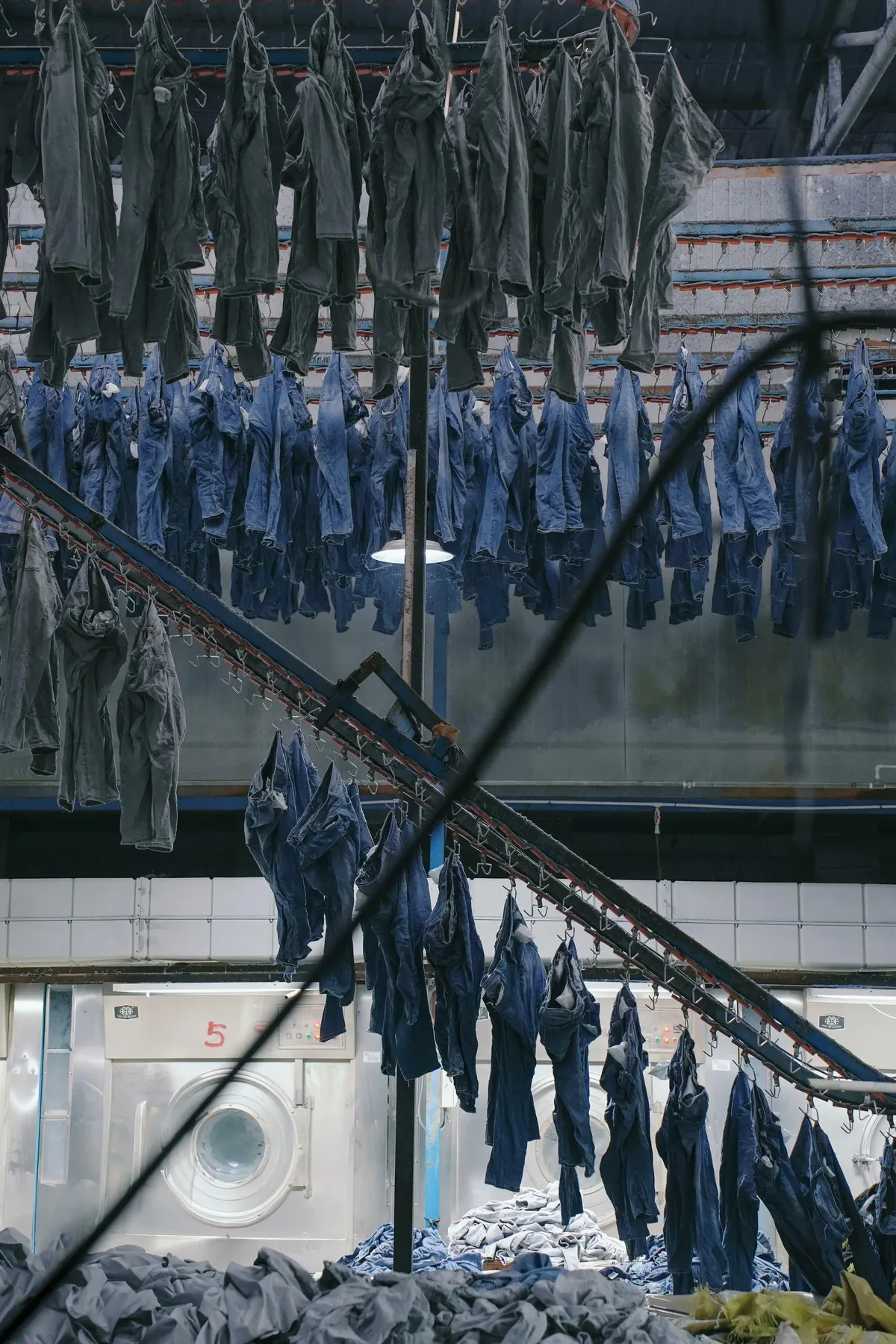
Lightweight denim jeans after gentle washing process
The light weight denim products usual is more soft, that can help brand make the spring/summer collection, like shirt,dress,burmuda etc. And the washing for the light weight denim usual is smooth, that lead time might be shorter, and the logistics and freight cost is much lower.
Heavy weight Denim
Heavyweight denim with distressed finish — built for durability
Heavy denim most present the workwear heritage, denim subcultures. The price is not competitive but serves as statement of the brand commitment to craftsmanship and denim roots. However, the target customer possible niche, and have more long inventory turnover. And most much heavy denim require thicker needle and power sewing, most of the denim factory sewing machine is not so suitable for it
Medium Weight Denim
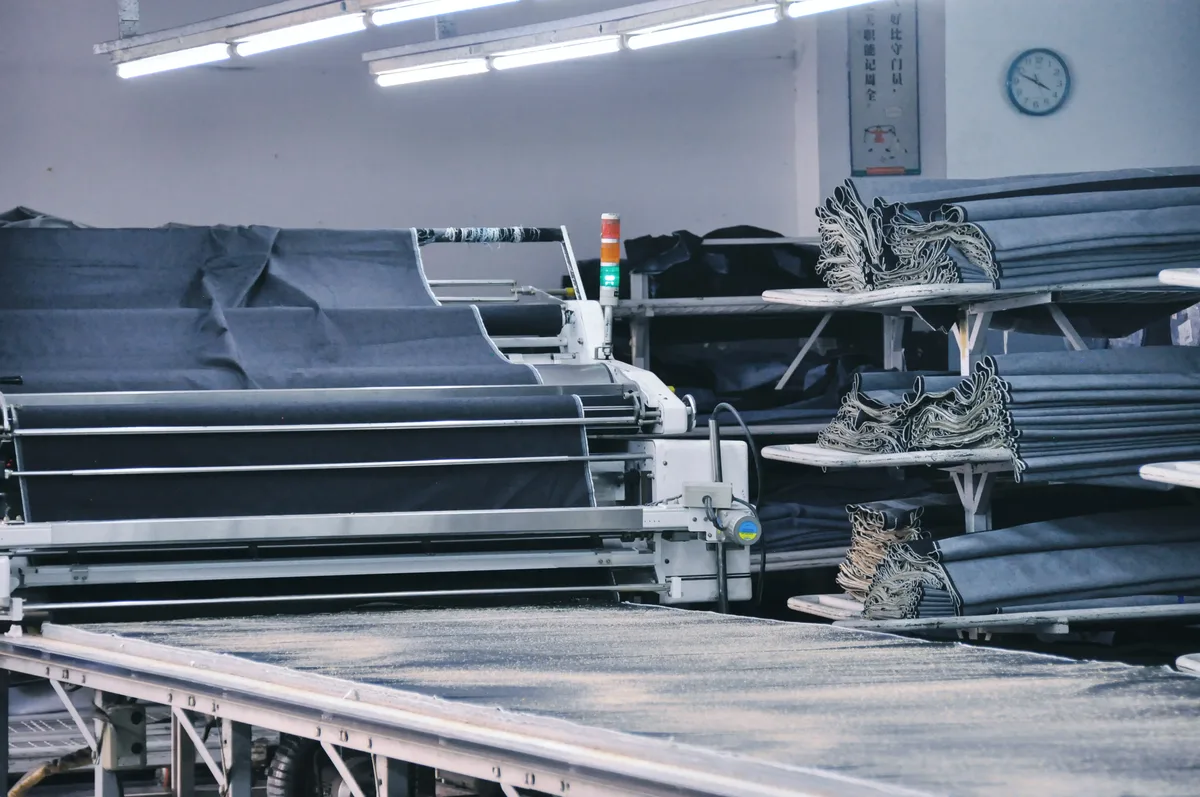
Fabric cutting machine handling denim layers in production
Medium weight denim fabric is the most popular one and domain the market. It is all season products and most commercially viable option. 12-13oz weight retain classic denim characteristic yet the 8oz also can have softness. It is ideal choice for all category and fast-fashion brands, as its inventory turnover is not slow. Additionally, most denim factories can make this weight range with maximum efficiency and their equipment do not need to big change.
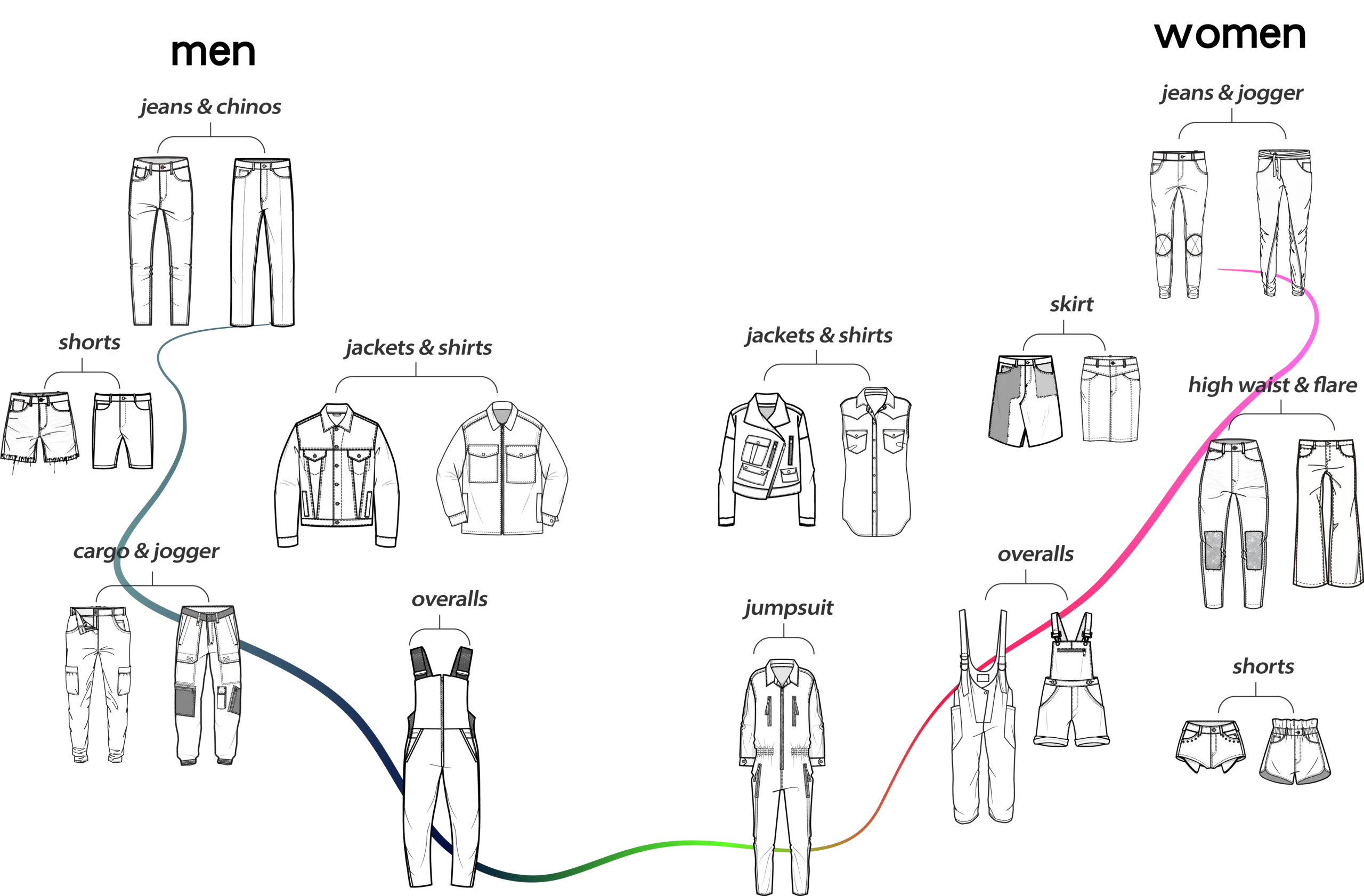
Product category range from lightweight to heavyweight denim
Conclusion
There is not best denim fabric, there is only the best weight and best choice for your brands margin and seasonal collection.
You need to define : Who is your primary target customer? What is your main sales season? And what are your con consideration? Inventory turnover or craftsmanship commitment. If you are new and not idea of the denim specific, come to us Reego has strong and professional team to help you making the style in most competitive and attractive.
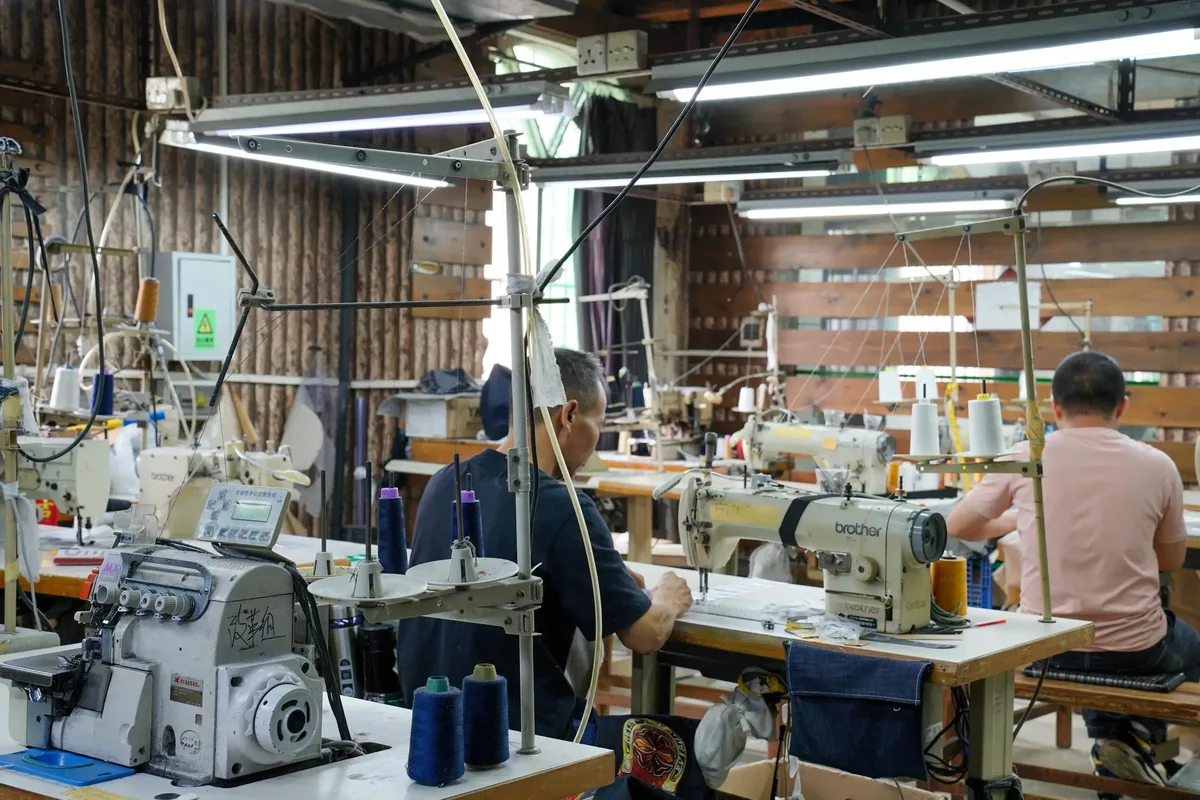
Production line ready for your next denim collection
Lightweight Denim
Soft, breathable, and cost-effective. Best for spring/summer collections, fast fashion, and brands targeting broad markets with quick inventory turnover.
Heavyweight Denim
Rugged, durable, and premium. Best for heritage brands, workwear, motorcycle apparel, and brands building a reputation for craftsmanship and quality.
Denim Weight Comparison Tables
See the table below for a detailed breakdown:
Denim Weight Comparison: At a Glance
Feature
Lightweight (4-9 oz)
Medium Weight (9-14 oz)
Heavyweight (14 oz+)
Best Products
Shirts, dresses, blouses
Classic jeans, jackets
Workwear, motorcycle wear
Softness
Very soft
Balanced
Rigid, structured
Washing Process
Gentle, shorter lead time
Standard
Aggressive, more water/energy
Needle & Thread
Thin needle, fine thread
Standard
Thick needle, durable thread
Freight Cost
Lower
Standard
Higher (heavier garments)
Target Market
Spring/Summer, fast fashion
All-season, mainstream
Heritage, niche, premium
Inventory Turnover
Fast
Healthy
Slower
Factory Compatibility
Most factories
Most factories
Requires heavy-duty equipment
See the table below for a detailed breakdown:
Quick Decision Guide: Lightweight vs Heavyweight
Factor
Lightweight Denim
Heavyweight Denim
Season
Spring / Summer
Fall / Winter
Production Complexity
Lower
Higher
Cost per Unit (Freight)
Lower
Higher
Brand Positioning
Trendy, accessible
Premium, heritage
Customer Base
Broad, mass market
Niche, enthusiast
Durability
Moderate
Excellent
Data & Performance Metrics
Denim Weight Categories by Market Share
Frequently Asked Questions
Which denim weight has the lowest defect rate in production? +
Medium weight denim (9–13 oz) typically provides the most stable production quality with the fewest defects. However, the defect rate also depends on yarn quality, washing techniques, and factory expertise. Contact us for an evaluation specific to your style requirements.
Can I mix different denim weights in a single order? +
Yes, it is possible to mix different denim weights in one order. However, each weight category may have its own minimum order quantity (MOQ), and mixing may affect production scheduling and cost structure. It is best to review the specific styles and MOQ requirements with our team before committing.
What should I focus on when sourcing heavyweight denim? +
Key considerations for heavyweight denim include colorfastness testing, fit consistency, and sewing strength — heavyweight fabrics require more durable thread and can be prone to breakage during stitching. We recommend conducting a pre-production sample review to verify sewing quality and garment construction before bulk production.
Is lightweight denim durable enough for everyday wear? +
Yes, modern lightweight denim (6–9 oz) can be sufficiently durable for everyday wear when produced with quality yarn and proper construction techniques. It is ideal for shirts, dresses, and summer-weight jeans where comfort and breathability are priorities over heavy-duty durability.
Figure: Close-up denim fabric texture and weave detail Choosing the right denim fabric weight is one of the most important decisions a brand makes. This...
To provide the best experiences, we use technologies like cookies to store and/or access device information. Consenting to these technologies will allow us to process data such as browsing behavior or unique IDs on this site. Not consenting or withdrawing consent, may adversely affect certain features and functions.
Functional
Always active
The technical storage or access is strictly necessary for the legitimate purpose of enabling the use of a specific service explicitly requested by the subscriber or user, or for the sole purpose of carrying out the transmission of a communication over an electronic communications network.
Preferences
The technical storage or access is necessary for the legitimate purpose of storing preferences that are not requested by the subscriber or user.
Statistics
The technical storage or access that is used exclusively for statistical purposes.The technical storage or access that is used exclusively for anonymous statistical purposes. Without a subpoena, voluntary compliance on the part of your Internet Service Provider, or additional records from a third party, information stored or retrieved for this purpose alone cannot usually be used to identify you.
Marketing
The technical storage or access is required to create user profiles to send advertising, or to track the user on a website or across several websites for similar marketing purposes.

 by Yolanda